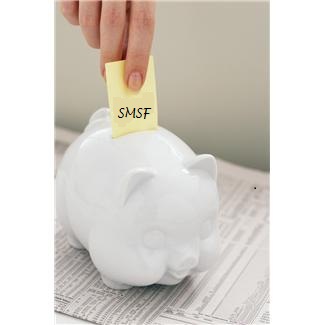
Owning your business property in a SMSF


Business Premises

Business Premises owned by SMSF

Interested in property and also running a business? Then one popular strategy used by many small business owners is to own their business premises in their self managed superannuation fund (SMSF).

Before we start let me emphasise, this is not a strategy to prop up a failing business.

There are a number of benefits in adopting this strategy:

  • As superannuation is generally more tax-effective than other investment entities you can have one of your major assets owned by a separate entity to yourself or your business thereby offering a greater degree of diversification of risk and ;
  • some asset protection as in the event of severe financial difficulty or even bankruptcy, creditors find it more difficult to get access to or create caveats over super fund investments as long as the premises were bought or transferred to the SMSF in good times, for clearly documented reasons and not deliberately to prevent creditors efforts to seek redress.
  • By having the premises owned by the fund rather than a third-party landlord you have more freedom to add fixtures and fittings, additional capacity and make changes to the layout without having to seek someone else’s approval and have surety of tenure that the costs can be recouped over time rather than worrying about ability to renew a lease at the landlords whim.
  • By accessing the capital held in a self managed super fund, your business can have more flexibility to make better use of its own capital to build or maintain the business.
  • It can often make it easier to sell a business later or pass it to family if they are not burdened with the capital requirements of funding a property purchase as part of the deal. This can also be a very stable income source in retirement as commercial / industrial property rents are often 7% or more.

When a SMSF owns real estate and you want to lease it back to your business which is seen as a related party of the fund the property must meet the definition of business real property (BRP).

Related parties of your fund include all its members, all their relatives and entities that those members and relatives control, or are deemed to control.

The definition of business real property is in subsection 66(5) of the SIS Act:

business real property , in relation to an entity, means:

a)    any freehold or leasehold interest of the entity in real property; or

b)    any interest of the entity in Crown land, other than a leasehold interest, being an interest that is capable of assignment or transfer; or

c)    if another class of interest in relation to real property is prescribed by the regulations for the purposes of this paragraph – any interest belonging to that class that is held by the entity;

where the real property is used wholly and exclusively in one or more businesses (whether carried on by the entity or not), but does not include any interest held in the capacity of beneficiary of a trust estate.

Accordingly, two basic conditions must be satisfied before an SMSF, or any other entity related to or dealing with an SMSF, can be said to hold business real property :

  • the SMSF or the other entity must hold an eligible interest in real property; that is an interest identified in paragraph (a), (b) or (c) of the business real property definition; and
  • the underlying land must satisfy the business use test in the definition, which requires the real property to be ‘used wholly and exclusively in one or more businesses’ carried on by an entity.

For more detail and numerous examples of Business Real Property you should see Self Managed Superannuation Funds Ruling SMSFR 2009/1

If the property does not easily fit the definition of a BRP, then the asset will be considered an in-house asset and my advice is to not to push the limits of the ATO’s patience. Seek good legal and tax advice to ensure you understand all the implications and requirements of having or transferring a property into a a SMSF

SMSFs with in-house assets need to make sure that their fund’s total in-house assets do not exceed 5 per cent of the market value of all the fund’s assets. The 5% test is measured at acquisition and at the end of each financial year. If there is a breach, then corrective action must be taken.

Document the Lease

To keep the relationship on an arm’s length basis do not take short cuts, treat the lease like it was between 2 unrelated parties out and  formal lease between the SMSF and the tenant (your or any other business). The terms of the lease should be clear and easily identified by an auditor reviewing the actions and paper trail of the trustees.

As trustee’s you are dealing with this property on behalf of the SMSF so you must be prepared to enforce the terms of the lease with the tenants. Lease payments must be paid on time and I recommend a direct debit be set up to ensure the temptation to delay or miss payments is avoided. If the business fails to meet its rental payment schedule the default penalty clauses must be enforced as they would for a third-party lease.

TIPS

For an online source to a flexible comprehensive lease agreement that ticks all the boxes  you can visit DIY Legal Kits – Lease Agreements

Example

Peter the Physiotherapist is specialising in rehabilitation and water therapy and needs a property where he can install heavy equipment bolted to the floors and a hydrotherapy pool.

A suitable property is available locally for $750,000. The problem is that the business doesn’t have the capital to purchase the property or the capacity to borrow that amount.

Peter and his wife Margaret have their own SMSF which has $450,000 in the fund.

Peter & Margaret decide that SMSF should purchase the property using a Limited Recourse Borrowing Arrangement to borrow the other $400,000 plus costs leaving $100,000 liquid cash in the fund.

They must use a Holding trust arrangement to hold the property under this type of scenario.

A lease must be put in place between the SMSF and the Business

A commercially comparable rent needs to be agreed and paid from the business to the SMSF.

The SMSF is a very tax effective investment vehicle in the long-term as once the members enter pension phase, the CGT and tax on rental income can be minimised.

For more details on how borrowing to buy a property in an SMSF works please see the following 3 part series of articles from earlier this year:

Property through super in a SMSF – Part 1: Background

Property through super in a SMSF – Part 2: The Process

Property through super in a SMSF – Part 3: 20 most common mistakes

Before contemplating this type of transaction is contemplated, it’s essential to consider the member’s long term retirement needs and the super fund’s investment strategy. Consider what are the impacts on the super fund in terms of liquidity, diversification, returns on the investment and what if the business fails and the  property remains vacant unable to find a suitable tenant.

Keep updated by putting an email address in on the left hand column and pressing the “Sign me up!” button. Happy to take comments in the section below.

To discuss your needs you can contact me at my Castle Hill or Windsor offices or I am happy to use Skype, phone or email as suits your needs.

Bye for now.

Liam Shorte B.Bus SSA™ AFP

Financial Planner & SMSF Specialist Advisor™

SMSF Specialist Adviser 

 Follow SMSFCoach on Twitter Liam Shorte on Linkedin NextGen Wealth on Facebook   

Verante Financial Planning

Tel: 02 98941844, Mobile: 0413 936 299

PO Box 6002 BHBC, Baulkham Hills NSW 2153

5/15 Terminus St. Castle Hill NSW 2154

Corporate Authorised Representative of Viridian Select Pty Ltd ABN 41 621 447 345, AFSL 51572

This information has been prepared without taking account of your objectives, financial situation or needs. Because of this you should, before acting on this information, consider its appropriateness, having regard to your objectives, financial situation and needs. This website provides an overview or summary only and it should not be considered a comprehensive statement on any matter or relied upon as such.

Make sure you do not leave SMSF money idle in savings accounts


Have you put aside some money in a savings account or high interest savings account that you have put aside and are not making transactions on? Well beware of you could find the funds get nabbed by the Government when after 3 years they qualify as a “Dormant Account“.  Missing Money

I was alerted to this by an Accountant friend who held some of their SMSF money in an online high interest savings account and had parked a fixed amount there for more than 3 years as it was earmarked for a specific future use. Low and behold the Government nabbed it as it qualified as a Dormant Account. It was not some minor amount either as it was over $10K!

So if you have such an account look after your interests and make a small transaction yearly to ensure it remains “Active”. As little as 1 cent being transferred in or out will keep the account as on Active status. As a Trustee it’s your duty to look after the money of the Self Managed Super Fund and to take reasonable care to protect it..

Unforeseen Outcomes

The action of the government raises an issue for fund administrators and auditors:

The client has not met a condition of release so the money is restricted and should not leave the fund so the question is has this money left the superannuation system or not?

Further, if the funds are to be claimed back with this good online provider is arranging asap, as the funds will be coming from outside of the SMSF fund will they be considered a form of contribution?

Want a Superannuation Review or are you just looking for an adviser that will keep you up to date and provide guidance and tips like in this blog? Then why now contact me at our Castle Hill or Windsor office in Northwest Sydney to arrange a one on one consultation. Just click the Schedule Now button up on the left to find the appointment options. Do it! make 2016 the year to get organised or it will be 2026 before you know it.

Please consider passing on this article to family or friends. Pay it forward!

Liam Shorte B.Bus SSA™ AFP

Financial Planner & SMSF Specialist Advisor™

SMSF Specialist Adviser 

 Follow SMSFCoach on Twitter Liam Shorte on Linkedin NextGen Wealth on Facebook   

Verante Financial Planning

Tel: 02 98941844, Mobile: 0413 936 299

PO Box 6002 BHBC, Baulkham Hills NSW 2153

5/15 Terminus St. Castle Hill NSW 2154

Corporate Authorised Representative of Viridian Select Pty Ltd ABN 41 621 447 345, AFSL 51572

This information has been prepared without taking account of your objectives, financial situation or needs. Because of this you should, before acting on this information, consider its appropriateness, having regard to your objectives, financial situation and needs. This website provides an overview or summary only and it should not be considered a comprehensive statement on any matter or relied upon as such.

Using superannuation contribution splitting in a SMSF


One of the clear benefits of having a SMSF is the ability to implement strategies across member accounts without affecting current investments or dealing with multiple super fund administrators and their cumbersome paperwork.Super Splitting Super Splitting is also another way that an SMSF Specialist Advisor™ can show clients the advantage of using a professional for advice.

Superannuation splitting is an opportunity to look forward and plan for the future and have you family superannuation next egg prepared for legislative or tax changes while also taking advantage of any age differences to maximise Centrelink support and/or minimise tax legally. Each government attempts to address the matter of funding future retirement costs and to date they have predominantly sought to make enhancements via the superannuation system and these have involved making the superannuation system more flexible, adaptable and appealing to the population as a whole (although the GFC has seen them pull back on contribution limits and co-contribution support)

One of the most significant changes to the system was the introduction of superannuation contributions splitting from 1 January 2006, which allows superannuation contributions to be split or shared with a spouse. This does assist couples to maximise the benefits available in super and provide an avenue for spouses to share in super benefits or equalise balances. It is of most benefit to low-income or non-working spouses by allowing them to control their own super and have their own income in retirement.

Paying insurance premiums for a non-contributing spouse You can use contribution splitting to help pay your spouse’s personal life, TPD and Income Protection insurance premiums through super, so both you and your partner may be able to afford the right level of cover. Especially useful is one spouse self-employed and still getting a business off the ground and so cannot afford to contribute to continue cover.

However it is also a great tool for those couples that have an age difference and can benefit in 2 ways:

Increasing your age pension entitlements An older spouse may qualify for a higher age pension by splitting super to a younger spouse to exempt assets from Assets Testing at 67. This means you may qualify for a higher age pension entitlement until the younger spouse attains pension age. Assets held in superannuation accumulation phase by pensioners and those on other allowances who are under age pension age are exempt under both the Income and Assets Test.

Access tax free income from age 60, sooner A  couple with a spouse who is aged 60 or over may access tax free payments earlier to fund earlier retirement. Improve after tax income and/or reduce debt earlier. In the case of a couple with one partner aged 60 or more, splitting contributions to the older spouse may enable earlier access to tax free income. This is because effective from 1 July 2007 super benefits have been paid tax free after a person attains the age of 60 and retires. (They can also take up to 10% of their balance while remaining at work via a Transition to Retirement Pension) This strategy can help increase the total income a couple is living off simply through splitting their contributions to the older spouse. The younger spouse splits their contributions with their older partner who once attaining the age of 60 is able to access these additional contributions earlier and tax free. This may benefit the couple by effectively reducing their overall assessable income. This is something to be thinking about now even if you are in your 30’s and 40’s as think of the tax and interest saved on being able to access tax free income or pay down a lump sum off your mortgage a few or more years earlier.

FUTURE PROOFING – Protect against legislative change: I believe that the concession for tax free pensions after age 60 will become too costly to maintain long-term and that some government in the future (they will have to be brave as soon 25% of the population will be over 60) will have to introduce tax on new pensions or limit the tax free lump sums available to pensioners. So whether you get funds into pension phase before changes or you have funds evenly spread across both spouse accounts to allow for both members to access any imposed limit to the max, it costs very little to put these strategies in place and they do not affect your investment mix. Implementation: The following types of contributions can be split:

  • Superannuation guarantee (SG)
  • Salary sacrifice
  • Deductible personal contributions (Self Employed & Self Funded Investors)
  • Voluntary employer contributions.

Generally, you can split contributions with your partner if:

  • you are married, or
  • in a de facto relationship – including same-sex couples, or
  • registered under a state or territory law, and
  • your partner is under their preservation age, or
  • if they are between their preservation age and age 65, have not retired under superannuation law.

You can split-off up to 85% of your concessional contributions to your spouse, which includes your SG and salary sacrifice contributions and up to the concessional contributions cap. You have until 30 June of each year to split contributions for the previous financial year. This means you have until 30 June 2023 to choose to split a contribution made in the 2022 financial year. You can also split contributions for the present financial year even if your entire benefit is to be rolled over, transferred or withdrawn.

If you are making a personal deductible contribution then make sure you have submitted the notice to claim a deduction before the Super Splitting request. A Superannuation Splitting request can be made to an SMSF by simply submitting a letter to the Trustee in writing stating the amount you wish to split to your spouse’s account. I recommend the Trustees minute the request and approve it with advice to the administrators to implement the split when completing the financials.

It is recommended that you seek expert advice from your financial adviser (SMSF Specialist Advisor™) before deciding if this strategy is right for you. As always I welcome and yes crave feedback! Also appreciate those who re-tweet educational material for the benefit of all in the sector. We have offices in Windsor and Castle Hill and are always happy to meet new clients for a one on one chat either face to face, by phone or on Teams/Zoom. Just view my Calendy Diary to find the appointment options.

Liam Shorte B.Bus SSA™ AFP

Financial Planner & SMSF Specialist Advisor™  

SMSF016_Fellow_Logo_CMYK

color logo with background_page_1-3-1

Tel: 02 9899 3693, Mobile: 0413 936 299

PO Box 6002 NORWEST, NSW 2153

40/8 Victoria Ave , CASTLE HILL NSW 2154

Suite 4/1 Dight St, Windsor NSW 2765

Corporate Authorised Representative of Viridian Advisory Pty Ltd (ABN 34 605 438 042) (AFSL 476223)

This information has been prepared without taking account of your objectives, financial situation or needs. Because of this you should, before acting on this information, consider its appropriateness, having regard to your objectives, financial situation and needs. This website provides an overview or summary only and it should not be considered a comprehensive statement on any matter or relied upon as such.

Government bonds arrive for retail investors but may not jump out of the gate


Legislation passed through parliament yesterday that followed through on a promise by “the world’s greatest treasurer” Wayne Swan that Government bonds will be listed for the retail market (I nearly said the ASX but now we have to be generic as we have Chi-X as well). the Treasurer took his time getting the legislation together but now we have it in place.

Click the link below to read more of this article

http://www.smh.com.au/business/government-bonds-set-to-fail-with-retail-investors-20121102-28nqj.html

Are you looking for an advisor that will keep you up to date and provide guidance and tips like in this blog? Then why now contact me at our Castle Hill or Windsor office in Northwest Sydney to arrange a one on one consultation. Just click the Schedule Now button up on the left to find the appointment options.

Liam Shorte B.Bus SSA™ AFP

Financial Planner & SMSF Specialist Advisor™

SMSF Specialist Adviser 

 Follow SMSFCoach on Twitter Liam Shorte on Linkedin NextGen Wealth on Facebook   

Verante Financial Planning

Tel: 02 98941844, Mobile: 0413 936 299

PO Box 6002 BHBC, Baulkham Hills NSW 2153

5/15 Terminus St. Castle Hill NSW 2154

Corporate Authorised Representative of Viridian Select Pty Ltd ABN 41 621 447 345, AFSL 51572

This information has been prepared without taking account of your objectives, financial situation or needs. Because of this you should, before acting on this information, consider its appropriateness, having regard to your objectives, financial situation and needs. This website provides an overview or summary only and it should not be considered a comprehensive statement on any matter or relied upon as such.

Trading Company as SMSF Trustee or Sole Purpose SMSF Trustee Company?


 Traditionally the majority of SMSFs steered away from using a company trustee due to the costs associated with it. This has been changing in the last decade as Trustees see the difficulty of adding or removing members or trustees from a fund. The process of replacing a director on the other hand is relatively simple.

The cost to establish a company to act as Trustee for a fund varies from $660 – $1600, depending on who you engage to organise it for you. A SMSF with a corporate trustee can usually be set up within a few days with the ABN and TFN taking up to a month to organise with the ATO and get listed on the Super fund Lookup site http://superfundlookup.gov.au/

The Company is required to prepare and lodge an Annual Review with ASIC each year  and pay an ASIC lodgement fee of $276. (The lodgement fee is reduced from $290 to $59 for companies who are used solely as SMSF Trustee companies commonly now known as a Sole Purpose SMSF Trustee Company).

The problem is people still look to save on costs so occasionally clients ask if they can utilise an existing trading company to act as the SMSF Trustee, to save on “cost”.

The strict answer is yes but just because you can do something, doesn’t mean you should. Using a company for multiple purposes is fraught with risk. You would have to be meticulous about keeping transactions and record keeping of the 2 functions absolutely accurate.

I really recommend against this for a number of reasons:

  • the accounts and bookkeeping for the trustee company inevitably become much more complex, having to account for its trading activities separately from its activities as a trustee. This in turn results in higher accounting fees and risk of mistakes;
  •  SMSF auditors are very delicate individuals who follow rules to the nth degree. There can’t be any overlap between SMSF funds and other company funds. We often get clients calling and advising us that they accidentally used the wrong cheque book or transferred funds by Bpay to or from the wrong account. (This is also a reason I suggest clients use a different bank for the SMSF )Yes it was accident, but the SIS Act and Regulations say this is totally illegal. You can never guarantee that you will never make mistakes. Avoid this hassle and set up a separate sole purpose corporate trustee;
  •  if the company gets into financial difficulty and a receiver or liquidator is appointed – the SMSF fund assets could be at risk. This is because using a trading company may result in you losing control over your SMSF if the company entered some form of administration due to trading difficulties. Even if you have kept clear records the liquidator or receiver may look to freeze those assets while you prove the true ownership which could take months or years if record keeping not perfect;
  • there are potential issues associated with identifying the true owner of the assets. If all of the company/SMSF assets are held in the same company name, how does one distinguish between assets held in capacity of trustee compared with those held beneficially for the company? For example in most States the Land Titles Office will only record the Trustee name not the “ATF XYZ Super Fund”;
  • Introduce some Business Real Property, say a warehouse, leased back to the business and it gets even messier. The company as trustee for the SMSF leases the business premises back to itself in its capacity as the trading company. Now if the trading company gets in difficulty and can’t make lease payments then the same company has an obligation in its capacity as Trustee of the SMSF to chase itself for recovery of the lease payments!;
  • then to the subject of liability. Trustees of funds are generally prohibited from borrowing but nevertheless, liabilities can still arise.  For example, a plumbing contractor engaged to repair a residential investment property might suffer an injury and can sue the trustee for damages.  This could mean that if the SMSF does not have the funds to meet any damages, the assets of the business may now become a target for the lawyers of the victim. Again in time this could be sorted and true ownership proved but could you or your business afford the time arguing the case or funding the defence.
  • The ATO ruling SMSFR 2008/2 further highlights the critical importance of the sole-purpose test for SMSFs, clarifying that SMSF trustees must focus solely on providing retirement benefits to members.

    This ruling is particularly pertinent for SMSFs with a trading company as a trustee, as it raises questions about the company’s ability to maintain the fund’s exclusive retirement focus.

For those who do have a Trading Company as Trustee, then if the company or business is in trading difficulty your first step is go to the ASIC advice for small company directors at http://www.asic.gov.au/asic/ASIC.NSF/byHeadline/Directors%20and%20insolvency

NEW UPDATE 2022

In early 2021, the Federal Government amended insolvency legislation to include a new debt restructuring process and a simplified liquidation process. It is available to small companies, and requires the appointment of a restructuring practitioner.

In December 2021, amendments were made to the Superannuation Industry (Supervision) Act (SIS Act) to reflect these changes, introducing a new category of disqualified persons.

This new category applies when a restructuring practitioner is appointed to a corporate trustee, and triggers the disqualification of the corporate trustee from managing a SMSF.

If your SMSF has a corporate trustee, and a “restructuring practitioner” is appointed to that trustee, the company will no longer be able to act as the corporate trustee, as it is disqualified. This is so even though the stated goal of the Corporations Amendments is to assist financially distressed businesses to remain viable and continue trading.

I would also suggest a quick visit to your Adviser to put in place a new Trustee Company in charge of your fund or if you really feel you are going to be in trouble you might opt to become a Small APRA regulated fund where you hand over the running of the fund to an Approved Trustee but you may struggle to find one willing to take over in such circumstances.

What are your thoughts? I would be interested in feedback from lawyers, accountants and advisers and of course auditors on this issue!

Liam Shorte B.Bus SSA™ AFP

Financial Planner & SMSF Specialist Advisor™

SMSF Specialist Adviser 

 Follow SMSFCoach on Twitter Liam Shorte on Linkedin NextGen Wealth on Facebook   

Color logo with background smaller

Tel: 02 9899 3693, Mobile: 0413 936 299

  • PO Box 6002 NORWEST NSW 2153
  • Suite 40, 8 Victoria Ave, Castle Hill NSW 2154
  • Suite 4, 1 Dight St., Windsor NSW 2756

Corporate Authorised Representative of Viridian Advisory Pty Ltd ABN 34 605 438 042, AFSL 476223

This information has been prepared without taking into account your objectives, financial situation, or needs. Because of this, you should, before acting on this information, consider its appropriateness, having regard to your objectives, financial situation, and needs. This website provides an overview or summary only and it should not be considered a comprehensive statement on any matter or relied upon as such.

Last minute planning checklists for everyone from Small Business Owners to SMSF Trustees as well as Personal planning.


Have you left your financial planning until the last minute?  Go over this checklist with your accountant or financial planner as soon as possible.  Some of these strategies apply every year, while others are specific to this year because of the changes in the tax rate, the end to the flood levy, and some changes to small business write offs in the next year.

Checklists for:

Personal / Family

Small Business Owner:

SMSF Trustee

Investment Property Landlord

See full article: http://myob.com.au/blog/end-of-financial-year-planning-checklists/#ixzz1ysA6ExvQ

I hope this guidance  has been helpful and please take the time to comment. Feedback always appreciated.

Liam Shorte B.Bus SSA™ AFP

Financial Planner & SMSF Specialist Advisor™

SMSF Specialist Adviser 

 Follow SMSFCoach on Twitter Liam Shorte on Linkedin NextGen Wealth on Facebook   

Verante Financial Planning

Tel: 02 98941844, Mobile: 0413 936 299

PO Box 6002 BHBC, Baulkham Hills NSW 2153

5/15 Terminus St. Castle Hill NSW 2154

Corporate Authorised Representative of Viridian Select Pty Ltd ABN 41 621 447 345, AFSL 51572

This information has been prepared without taking account of your objectives, financial situation or needs. Because of this you should, before acting on this information, consider its appropriateness, having regard to your objectives, financial situation and needs. This website provides an overview or summary only and it should not be considered a comprehensive statement on any matter or relied upon as such.

How is your SMSF protected in the event of bankruptcy?


If you or your business is experiencing financial difficulty and bankruptcy is the likely outcome, you should consider carefully what impact this may have on your self-managed super fund and superannuation accounts before accessing them under any condition fo release.

How does bankruptcy affect your SMSF?

Should you become an insolvent under administration, such as an undischarged bankrupt or have entered a personal insolvency agreement with your creditors, the super laws consider you to be a ‘disqualified person’. This has ramifications for your self managed super fund because a disqualified person can’t act as, or become, a trustee of an SMSF or a director of an SMSF’s corporate trustee.

Steps to take before entering bankruptcy:

We know in circumstances like this you may be under a weight of paperwork and pressure but you should take action to preserve what you can.

  1. If you’re an existing trustee/director of an SMSF, the best option would be to resign from this role before becoming a “disqualified person”. If you don’t, and continue to act in this role, you and your SMSF may be liable for penalties or  your SMSF could lose its complying status which would  result in lost tax concessions and a harsh tax bill for your fund. You may also be liable for a fine and up to two years’ imprisonment.
  1. You must take action to ensure your SMSF continues to meet the basic condition that all fund members are also trustees/directors. You have a grace period of six months to consider your options, which include :
  • rolling your benefits to a retail or industry super fund or
  • converting your SMSF to a small APRA fund whereby an “approved trustee” takes over the running of the fund.

The best option for you will depend on your particular circumstances such as the investment mix within your fund, the liquidity of the assets in that portfolio as well as the potential capital gains tax payable on realising assets and the wishes of other fund members such as your spouse.

Are your SMSF assets protected?

A bankrupt’s entire interest in a regulated super fund is potentially protected from creditors.

This protection has a couple of important limitations. Bankruptcy legislation states that a contribution made after 27 July 2006 to a super fund can be ‘clawed back’ if the main purpose was either to prevent the transferred property being available to creditors or to hinder or delay the process of making property available for division among creditors.

Under the rules, a transaction is assumed to be made for this purpose if at the time of the transfer, you were, or were about to become, insolvent. It is therefore critical that you make, and keep, records to prove that you’re solvent at the time of making a contribution to prevent your contributions being clawed back.

Any transactions that are ‘out of character’ may also be seen to be made for the main purpose of defeating creditors. For example, if you salary sacrificed $1,000 per month for the past 5 years, it would be unlikely that the $1,000 contributed in each of the final months before becoming bankrupt would be considered out of character and clawed back. In contrast, if you made a once-off contribution of $100,000 in the week before declaring bankruptcy, it’s likely you would have to prove why this amount should not be made available to creditors.

Case Law Example:

Official Trustee in Bankruptcy v Trevor Newton Small Superannuation Fund Pty (an SMSF fund)

In the Official Trustee in Bankruptcy v Trevor Newton Small Superannuation Fund Pty Ltd (2001) 114 FCR 160; [2001] FCA 1267, Madgwick J determined that the potential for a payment to a superannuation fund to be caught by the relation back or avoidance provisions of the Act was not excluded by the protection provided to the bankrupt’s interest in a superannuation fund even though such a payment might give rise to an interest in the fund.

It could be said that the protection operates in favour of any lawful interest in a regulated superannuation fund.

In this case one payment was made by the debtor after the deemed commencement of his bankruptcy and as such was recoverable. This is because the money had already vested in the hands of the bankruptcy trustee and accordingly the debtor did not have the authority to deal with it. The SMSF trustee (keeping in mind it was an SMSF and the bankrupt was a director of the SMSF trustee) was taken to be aware of that lack of authority and therefore did not derive title to the moneys paid.

Two earlier payments prior to the commencement of bankruptcy were voidable by reason of the operation of section 121 (transfers to defeat creditors). It assisted this recovery that at the time of both earlier transfers the debtor was or was about to become insolvent, and the superannuation fund trustee (the bankrupt being a director of the SMSF trustee) was also aware of this.

In summary an SMSF trustee is unlikely not to know the purposes or intent of the member (or third party) making the contributions. In addition the SMSF trustee is likely to know the solvency or otherwise of the relevant member.

Recovery of void contributions

A bankruptcy trustee is able to make an application to the Court directly under section 128B or 128C of the Bankruptcy Legislation Amendment (Superannuation Contributions) Act 2007 to recover a void superannuation contribution. In addition, a bankruptcy trustee can request the Official Receiver to issue a notice under section 139ZQ for the recovery of a void contribution on the same basis as these notices are available to recover other void transfers of property.

The Act also includes provisions enabling some tracing, by the Court, of superannuation contributions through the superannuation system. This is important particularly where the contribution may have been rolled-over and is no longer in the plan which originally received it.

Can you access your Superannuation early because you are a bankrupt?

Funds held in and payments made from your superannuation are protected from your creditors under the Bankruptcy Act. In certain limited circumstances you may be able to access your superannuation early, such as severe financial hardship.

However, the fact you are bankrupt does not mean that you will automatically be entitled to get early access to your superannuation. Bankruptcy is not on its own a ground for the early release of your super. It is up to your superannuation provider or APRA to decide whether to grant early access to your super and they should be consulted if you believe you have grounds for early release of your funds.

If you are granted early access to your super the lump sum payments from your superannuation fund made on or after the date of bankruptcy will be protected from your creditors.

What about pension payments? Are they protected?

If your total annual income exceeds a certain amount, half the excess will typically becomes available to pay your creditors. The relevant income thresholds are shown in the table below:

Actual Income Threshold Amount (AITA) With dependants Used when calculating a bankrupt’s income contributions which vary according to the number of dependants
Number of Dependents

 Income Limit

0

$56,674.80

1

$66,876.26

2

 $71,977.00

 3

 $74,810.74

 4

 $75,944.23

 Over 4

$77,077.73

Limits updated twice a year: 20 March and 20 September. 

Source: Insolvency & Trustee Service Australia. INDEXED AMOUNTS as of  09/07/2018

Income counted towards these thresholds includes salary and wages, salary sacrifice, fringe benefits from your employer and income which you earn which is paid to someone else. Pension income from a superannuation fund is also counted as income. In contrast, lump sum payments mentioned earlier from your superannuation fund are not counted as income and are protected even if you’re bankrupt.

STRATEGY TIP:

Given this protection in respect to lump sums, it may often be more beneficial to keep your super balance in the “accumulation phase” during the bankruptcy period and only make lump sum withdrawals if additional cash is required.

So as you can see while In cases where bankruptcy is unavoidable, most of your assets will be divisible among your creditors, fortunately, your superannuation balance and lump sum withdrawals are generally protected. Taking pre-emptive action and seeking expert advice if you’re facing financial troubles may help protect your Self Managed Super Fund and preserve some of your wealth for retirement.

Me on My High Horse! This protection should also act as a solid reason for all business owners to regularly contribute to superannuation throughout their working lives as circumstances can change rapidly. While your business may in your mind be your idea of your retirement savings, it may offer no protection in difficult times so put money away outside of your business structure to protect you and your family.

What about circumstances where the asset of the SMSF is in the wrong name because we made an error when setting up an account or used a Trading company as the Trustee of our SMSF (Idiot, kick yourself in the ass first):

See my blog on Trading Company as SMSF Trustee or Sole Purpose SMSF Trustee Company? To see why you never should use a Trading company.

Now back to the issue. Let’s consider the situations where a business has become bankrupt (wound up?) and the court tries to link assets held in the name of the business entity in its/their capacity as Trustee of the SMSF to the bankruptcy action?

Example:  Property is purchased by the SMSF but for whatever reason is held in the name of the trading company or individual trustees; or

Possible solution in most cases: A Declaration of Trust outlining beneficial ownership should be prepared contemporaneously with the purchase of the property or asset. You must seek legal advice on how to word this document but it should include:

Declaration as to who is the beneficial owner

Who provided the funds for the investment.

That the beneficial owner is entitled to any benefits and always has been

The Beneficial owner has the right to transfer ownership to any other entity

All actions are taken on the instructions of the SMSF

As I said above seek legal advice on how to word this and do not attempt any half baked efforts from Googling!

Looking for an adviser that will keep you up to date and provide guidance and tips like in this blog? Then why now contact me at our Castle Hill or Windsor office in Northwest Sydney to arrange a one on one consultation. Just click the Schedule Now button up on the left to find the appointment options. Do it! make 2016 the year to get organised or it will be 2026 before you know it.

Please consider passing on this article to family or friends. Pay it forward!

Liam Shorte B.Bus SSA™ AFP

Financial Planner & SMSF Specialist Advisor™

SMSF Specialist Adviser 

 Follow SMSFCoach on Twitter Liam Shorte on Linkedin NextGen Wealth on Facebook   

Verante Financial Planning

Tel: 02 98941844, Mobile: 0413 936 299

PO Box 6002 BHBC, Baulkham Hills NSW 2153

5/15 Terminus St. Castle Hill NSW 2154

Corporate Authorised Representative of Viridian Select Pty Ltd ABN 41 621 447 345, AFSL 51572

This information has been prepared without taking account of your objectives, financial situation or needs. Because of this you should, before acting on this information, consider its appropriateness, having regard to your objectives, financial situation and needs. This website provides an overview or summary only and it should not be considered a comprehensive statement on any matter or relied upon as such.

Consider prepaying next years Private Health Insurance before June 30th – EOFY Money Saving TIP #1


As a result of the introduction of mean testing of the Private Health Insurance Premium Rebate wewant to alert you to a one-off savings possibility in relation to the private health insurance rebate.

If you pre-pay your 2012/13 private health insurance premium before 30 June 2012, you may still be able to access the Government rebate.

As you may be aware, the Government currently provides a non-means tested rebate for private health insurance premiums. The rebate can be claimed directly from the insurer, or as a tax offset when you lodge your income tax return. the majority of clients claim it upfront and if you don’t then you may need to consider doing so this year.

The rebate is currently 30% for those under 65 and rising  from 35% to 40% of the premium depending on the age of the policy holder.

The Government has now passed the required legislation that will apply an income test to the availability of the rebate to any premiums paid on or after 1 July 2012. The more income you earn, the lower the rebate as follows:

Private Health Insurance Incentive Tiers (2011-2012) with effect 1 July 2012

Singles

<$84,000 

$84,001-97,000

$97,001-130,000

>$130,001

Families

<$168,000

$168,001-194,000

$194,001-260,000

>$260,001

Rebate
< age 65 30% 20% 10% 0%
Age 65-69 35% 25% 15% 0%
Age 70+ 40% 30% 20% 0%
Medicare Levy Surcharge
All ages 0.0% 1.0% 1.25% 1.5%

Note: The thresholds increase annually, based on growth in Average Weekly Ordinary Time Earnings (AWOTE). Single parents and couples (including de facto couples) are subject to the family tiers. For families with children, the thresholds are increased by $1,500 for each child after the first.

Singles earning $84,000 or less and families earning $168,000 or less will continue to receive the existing 30, 35 and 40 per cent rebate, depending on their age.

Once your ‘adjusted’ income is greater than $130,000 (or $260,000 as a family), no rebate will be available.

For a family with gross premiums of say $2,500, this will result in an increase to the out of pocket premium costs of $750.00

The current rebate applies to a premium ‘paid’ during the income year. Accordingly, it follows that if you prepay your 2012-13 premium on or before 30 June 2012, the current rules should apply and the rebate should be available.

If you are interested in this one-off savings opportunity, we suggest you contact your private health insurer to discuss the possibility of pre-paying next year’s premium and ensure that their is no penalty for prepayment and that their system can cope with the prepayment.

Increase to Medicare Surcharge levy for High Income Earners

For those without Private Health Cover be aware that  the Medicare levy surcharge for people without private health insurance will lift to 1.5 per cent of taxable income for those top earners without private health insurance cover. (see table above)

I hope this guidance  has been helpful and please take the time to comment. Feedback always appreciated.

Liam Shorte B.Bus SSA™ AFP

Financial Planner & SMSF Specialist Advisor™

SMSF Specialist Adviser 

 Follow SMSFCoach on Twitter Liam Shorte on Linkedin NextGen Wealth on Facebook   

Verante Financial Planning

Tel: 02 98941844, Mobile: 0413 936 299

PO Box 6002 BHBC, Baulkham Hills NSW 2153

5/15 Terminus St. Castle Hill NSW 2154

Corporate Authorised Representative of Viridian Select Pty Ltd ABN 41 621 447 345, AFSL 51572

This information has been prepared without taking account of your objectives, financial situation or needs. Because of this you should, before acting on this information, consider its appropriateness, having regard to your objectives, financial situation and needs. This website provides an overview or summary only and it should not be considered a comprehensive statement on any matter or relied upon as such.

The added value of franking credits in a SMSF Portfolio


 One of the least understood and core benefits of SMSFs are the value of franking credits attached to many blue chip share dividends.  You can tilt your portfolio to enhance the taxation benefits to your fund.

Targeting of imputation credits received predominantly from direct share investment in Australian, and to a lesser extent through managed funds is not that difficult. Franking credits (properly known as Imputation credits) can also be used to offset the tax payable on the taxable income of the fund if still in accumulation stage or refunds can be received from the ATO if in pension phase (don’t you just love receiving money from the ATO!)

The key point to understand around franking credits is the fact that the income tax rate for super funds is only 15% in Accumulation phase and 0% in Pension phase, while imputation credits from fully franked dividends can be as high as 30% of the gross dividend of an Australian share. This means that the franking credit covers the tax payable on the dividend received, and leaves a significant excess to be used to reduce the other tax payable by the fund or to be claimed as a refund

So how does it work in reality ?

So company Widget Ltd makes $1.00 profit and therefore is required to pay company tax at the rate of 30% on this $1 profit. Consequently the taxed $0.30 (30% of $1) will be paid in cash to the tax office and the company then records this $0.30 into their franking account. The franking account is only a record of what was paid and does not contain actual money. The company’s ability to frank its dividend will depend on the balance of this franking account. If the franking credit contains a surplus, the company may declare a fully franked (100% franked) dividend. If the franking account isn’t large enough, perhaps because it pays tax overseas, then the company may declare a partially franked dividend. That is, the dividend received by the SMSF is “grossed up” by the amount of the imputation credit to achieve a grossed up dividend. It is on this amount that tax is then assessed at 15% or 05 depending on the phase of your SMSF. The fund is then entitled to a tax offset for the franking credit.

Example: a worked example below of a SMSF that only holds Telstra shares and ANZ shares:

Dividend Franking Credits Taxable Income Accumulation Phase Taxable Income Accumulation Phase
TLS Shares $1260 $540 $1,800 $1,800
ANZ Shares $840 $360 $1,200 $1,200
Total $2100 $900 $3,000 $3,000
Tax @ 15% $450
Tax @ 0% $0
Less: Franking credits $900 $900
Excess Franking credits $450 $900

In this example, not only will the fund pay no tax on the dividend income of these two shareholdings, but it will have:

  • Accumulation Phase $450 of excess franking credits
  • Pension Phase $900 of excess franking credits ;

Which the SMSF Trustees can use to offset against other tax liabilities of the fund (such as other income, capital gains, and taxable contributions) or if  none exists, then the SMSF fund can receive a refund of this amount. (Love it!)

The 45 day rule

As the examples have shown fully franked dividends and franking credits make investing in Australian shares a very tax effective strategy. However, the ATO realises this and to prevent investors from abusing the system (called dividend stripping) they introduced the 45 day rule. The 45 day rule states that shareholder must hold shares for 45 days (not counting days of purchase or sale) for any franking credits over $5,000.

Beware of blind dividend chasing , you can hit a wall!

A word of warning before you decide to put your life savings into chasing shares with the highest dividends. While some high yielding dividend stocks may look enticing it would be useless if those shares drop in value (falling capital value). Always research the company and look for strong fundamentals, for example what does the company’s dividend history look like? Are the dividends growing year on year in line with the earnings per share? Is there long term potential for this company? Will earnings rise in the near term and are they sustainable.

Want a Superannuation Review or are you just looking for an adviser that will keep you up to date and provide guidance and tips like in this blog? Then why now contact me at our Castle Hill or Windsor office in Northwest Sydney to arrange a one on one consultation. Just click the Schedule Now button up on the left to find the appointment options. Do it! make 2016 the year to get organised or it will be 2026 before you know it.

Please consider passing on this article to family or friends. Pay it forward!

Liam Shorte B.Bus SSA™ AFP

Financial Planner & SMSF Specialist Advisor™

SMSF Specialist Adviser 

 Follow SMSFCoach on Twitter Liam Shorte on Linkedin NextGen Wealth on Facebook   

Verante Financial Planning

Tel: 02 98941844, Mobile: 0413 936 299

PO Box 6002 BHBC, Baulkham Hills NSW 2153

5/15 Terminus St. Castle Hill NSW 2154

Corporate Authorised Representative of Viridian Select Pty Ltd ABN 41 621 447 345, AFSL 51572

This information has been prepared without taking account of your objectives, financial situation or needs. Because of this you should, before acting on this information, consider its appropriateness, having regard to your objectives, financial situation and needs. This website provides an overview or summary only and it should not be considered a comprehensive statement on any matter or relied upon as such.

Superannuation Guarantee Age Limit to be Abolished in 2013


This change last November has gone under the radar but its needs to be highlighted as it will be especially important to Self Managed Super Fund members who run their own businesses as it will enhance their ability to tax plan and continue contributing to Super tax effectively.

The Government has announced that the 70 year age limit for superannuation contributions required to be made by an employer under the Superannuation Guarantee (Administration) Act, 1992 will be abolished.  Currently, employers are not required to make any SG contributions in respect of employees once they attain age 70.

The Government had originally aimed to increase the age limit to 75 but has subsequently decided to remove the age limit entirely.

This is a win for older working Australians with the House of Representatives passing amendments to the Superannuation Guarantee (Administration) Amendment Bill 2011 that abolish the superannuation guarantee age limit.

From 1 July 2013, eligible employees aged 70 and over will receive the superannuation guarantee for the first time. This increases the coverage of the superannuation guarantee scheme to an additional 51,000 Australians aged 70 and over, who will get the benefit of the superannuation guarantee if they continue working.

“Making superannuation contributions compulsory for these mature-age employees will improve the adequacy and equity of the retirement income system, and provide an incentive to older Australians to remain in the workforce for longer,” Mr Shorten said.

A 1 July 2013 commencement date provides time for employers and older Australians to adjust to the new superannuation arrangements.

The changes will also ensure that employers will be able to claim income tax deductions for superannuation guarantee contributions made to employees aged 70 and over from 1 July 2013.

It ensures employers will not bear a higher cost in employing workers 70 and over compared with other workers.

Feedback always appreciated.

Liam Shorte B.Bus SSA™ AFP

Financial Planner & SMSF Specialist Advisor™

SMSF Specialist Adviser 

 Follow SMSFCoach on Twitter Liam Shorte on Linkedin NextGen Wealth on Facebook   

Verante Financial Planning

Tel: 02 98941844, Mobile: 0413 936 299

PO Box 6002 BHBC, Baulkham Hills NSW 2153

5/15 Terminus St. Castle Hill NSW 2154

Corporate Authorised Representative of Viridian Select Pty Ltd ABN 41 621 447 345, AFSL 51572

This information has been prepared without taking account of your objectives, financial situation or needs. Because of this you should, before acting on this information, consider its appropriateness, having regard to your objectives, financial situation and needs. This website provides an overview or summary only and it should not be considered a comprehensive statement on any matter or relied upon as such.

Superannuation Splitting to a Spouse already in or entering Transition to Retirement Phase


So I got a question about continuing to Super Split to a spouse who is over 55 and already using a Transition to retirement Pension but not fully retired.

If a client is over 55 with a TRIS/TTRAP Pension and an Accumulation Account as they are still working or not fully retired, can they continue to receive Super Splits from their spouse?

The answer is yes they can receive the splits into their accumulation account as they are between 55 and 64 and not retired which meets the eligibility rules. The ATO guidelines state:

“Which members are eligible to apply?
All your members are eligible, although it’s your decision whether to offer a splitting facility to all members. They can apply to split contributions regardless of their own age, but their spouse, to whom you transfer the contributions, must be either:

less than 55 years old
55 to 64 years old and not retired.”

The super contributions splitting provisions operate independently from the pension payment rules. So as long as each set of provisions are complied with, there shouldn’t be an issue.

The question was then asked “could the spouse then consolidate their TRIS/TTRAP and Accumulation accounts the following year and thereby moving those funds to pension phase and possibly accessing a higher maximum pension including the amount super split from their spouse.”

 I again believe yes as otherwise the accounting would have to quarantine Super Split amounts until 65 or retirement and the ATO have again said:

“There are no requirements for funds to specially report to us amounts that have been rolled over or received as a result of a contributions-splitting application”

 This clarifies the way to continue implementing two strategies:

  • When looking to maximise clients TRIS/TTRAP pensions – often to use the 10% to pay off debt
  • Ensuring a member can do rollbacks, consolidations and recommencements to maximise the amount in pension phase.

Make sure to get individual advice on your personal circumstances and be aware that the Super split amount will count towards the receiving spouse’s concession caps.

I hope this guidance  has been helpful and please take the time to comment. Feedback always appreciated. Click here to arrange a meeting/call back or contact our Castle Hill or Windsor offices for an appointment to discuss your needs.

Liam Shorte B.Bus SSA™ AFP

Financial Planner & SMSF Specialist Advisor™

SMSF Specialist Adviser 

 Follow SMSFCoach on Twitter Liam Shorte on Linkedin NextGen Wealth on Facebook   

Verante Financial Planning

Tel: 02 98941844, Mobile: 0413 936 299

PO Box 6002 BHBC, Baulkham Hills NSW 2153

5/15 Terminus St. Castle Hill NSW 2154

Corporate Authorised Representative of Viridian Select Pty Ltd ABN 41 621 447 345, AFSL 51572

This information has been prepared without taking account of your objectives, financial situation or needs. Because of this you should, before acting on this information, consider its appropriateness, having regard to your objectives, financial situation and needs. This website provides an overview or summary only and it should not be considered a comprehensive statement on any matter or relied upon as such.

How an SMSF purchases investments. 6 Steps to follow?


In a recent blog entry I spoke about what investments a SMSF can invest in and went through some of the options in detail. This article is more on the process of “How you invest through your SMSF”.  There are steps to follow in guiding you through the process of investing in any asset within Superannuation. Almost anything you can invest in as an individual, you can also invest in within a SMSF. However, here are six steps in the Investment Process which should be followed when making investments for your SMSF in order to ensure that your SMSF remains compliant with all the Superannuation Rules and Regulations.

Step 1: Read the Deed! Review Investments Allowed by your Trust Deed

Prior to making an investment for your SMSF, you should make sure that the intended investment is permitted. The range of investments that a fund can invest in is quite broad including listed shares, cash and fixed interest securities, managed investments, private unit trusts, direct residential and commercial property and other collectibles. It is important to understand that there are certain regulatory limitations placed on SMSFs; for example, a fund cannot acquire assets from related parties of the fund or invest more than 5% in in-house assets. The fund cannot purchase your assets, such as your holiday home, from you or a related party such as your parents, spouse or children. Other restrictions placed on the fund include the prohibition on lending funds to members or their relatives or to provide the assets of the fund as security for personal borrowing.

Step 2: Review and possibly amend your SMSF Investment Strategy

The regulations require that all SMSFs and superannuation funds in general need to have an investment strategy in place that is reviewed regularly. Generally, this will mean having a clear objective that takes into account the desired target rate of return, risk tolerance of the members and of investments, diversification needs, the liquidity of the funds’ investments, as well as the ability of the fund to meet accounting, tax and audit fees. Most importantly the ability to make payments to members or their beneficiaries should the need arise via pensions, disability or death. Overall, before any investment is made you must ensure that the investment complies with your Fund’s Investment Strategy and if it doesn’t then consider why you really want to engage in that investment and the risks involved. If you still wish to proceed then the trustees need to amend the current strategy to allow the new investments and should minute why the change has been considered and approved.

Step 3: Second Opinion / Lifetime Value of Investment

Check the accounting and tax implications of any investment with your Accountant / SMSF Specialist Advisor™. It is always a good idea to have a second opinion as you may be looking at the investment with a narrow focus and your advisors may be able to identify other factors to be considered which affect the viability of the investment from a pre or post tax viewpoint both at the purchase and sale point of the investment . An example would the current spate of bank hybrid issues which seem attractive at 7.5 – 8% yield, however with franking credits and growth potential you advisor may suggest that you buy the share rather than the hybrid especially while rates are under pressure and looking at going lower which reduces the return on a floating rate hybrid.

Step 4: Use your SMSF Bank Account for all investment transactions

Your personal funds must be kept separate from the assets of the SMSF. The ATO used to have a booklet called ”It’s your money…but not yet!” All investment holdings, money and title deeds should be clearly recorded as an asset of the SMSF or in the name of the SMSF Trustee (with exception for assets under a Limited Recourse Borrowing Arrangement). This means SMSF assets need to be registered in the name of the SMSF Trustee(s).

  • Cash should be kept in a separate bank account and we recommend a different bank to your day to day personal banking to avoid mistakes especially in online banking or use of cheque books.
  • Any income including, interest, dividends, distributions and contributions should be paid directly to the SMSF bank account.
  • Assets should be purchased with SMSF money. Trustees often pay deposits personally and if they do so should seek reimbursement immediately from the fund or document the funds as contributions on behalf of a member. Simpler to just keep everything separate.
  • Costs should be paid directly out of the SMSF account. Again in reality people often use personal funds to meet expenses like Accounting Fees or repair bills. Do yourself a favour and lose the bad habit! Use a decent Cash Management Account and you can do Bpay, Pay Anyone or use cheques to meet costs quickly and record them efficiently.

Step 5: Minute your Investment Decisions

Under superannuation laws, all trustees must draft and implement an investment strategy. An investment strategy must also comply with the fund’s trust deed and all other investment restrictions and obligations contained in the superannuation rules and regulations. Documenting investments can be based on investment sector allocations within your SMSF Investment Strategy. This means you don’t have to minute every investment as long as it fits within the strategy.  E.G. , you don’t need to prepare a separate minute for each term deposit renewal during a year if it is within your chosen limit in the investment strategy..

Step 6:  Review you portfolio and investment strategy regularly

Trustees are required to review the fund’s investment strategy regularly and we recommend that this be at least annually. We normally get the Trustees to sign off an updated copy of the investment strategy annually or whenever a major new investment is made for the fund or a change in circumstances like pension drawdown occurs. On moving to pension phase the Trustees may find that the asset allocation needs to change to ensure the fund can meet its ongoing pension payments and this should be noted in a revised strategy.

I hope these tips  have been helpful and please take the time to comment if you know of other steps to consider as I know this is not an exhaustive list. Feedback always appreciated. Why not contact our Castle Hill or Windsor offices for an appointment.

Liam Shorte B.Bus SSA™ AFP

Financial Planner & SMSF Specialist Advisor™

SMSF Specialist Adviser 

 Follow SMSFCoach on Twitter Liam Shorte on Linkedin NextGen Wealth on Facebook   

Verante Financial Planning

Tel: 02 98941844, Mobile: 0413 936 299

PO Box 6002 BHBC, Baulkham Hills NSW 2153

5/15 Terminus St. Castle Hill NSW 2154

Corporate Authorised Representative of Viridian Select Pty Ltd ABN 41 621 447 345, AFSL 51572

This information has been prepared without taking account of your objectives, financial situation or needs. Because of this you should, before acting on this information, consider its appropriateness, having regard to your objectives, financial situation and needs. This website provides an overview or summary only and it should not be considered a comprehensive statement on any matter or relied upon as such.

What can my SMSF invest in?


Control over investment decisions lies with the Trustees of the Fund.

7E623C9E-5F9E-46CF-890E-ABC89D961462

We find this is the main reason so many Australians are establishing their own Self-Managed Superannuation Fund or SMSF for short. The range of investments you can consider for your portfolio include almost anything you yourself could invest in as an individual including:

  • Direct investments  (such as shares, ETFs, cash, term deposits, hybrids, income securities, gold/silver bullion and bonds)
  • Cryptocurrencies, Bitcoin, Ethereum, initial Coin Offerrings (Just because you can doesn’t mean you should)
  • Direct property (Residential houses, villas, units, as well as Commercial property such as offices, warehouses, factory units, shops and land.)
  • Managed funds (retail or wholesale, domestic and/or international)
  • Private Unit Trusts
  • A business (non-related party to avoid hassle) and business property
  • Non-traditional assets such as coins, antiques, art , taxi plate licences, ATMs (some of these have been subject to major losses)

The first step is to ensure your Trust Deed allows you to invest in the items you are considering. I know it is a long boring document but you need to know its contents so go through it regularly to get a handle on it. If it does not specifically mention cryptocurrencies then you should have the trust deed updated to allow them as they may not fall under any other category.

Once satisfied the Trust deed does not exclude an investment, the types of investments the SMSF actually holds are determined by the fund’s investment strategy, which is formulated by you, along with the other members in the fund, and often advised by an SMSF Specialist Advisor™. The fund’s strategy should reflect your objectives, risk profile/tolerance, liquidity needs and the investments you intend to utilise. This is not set and forget or forged in stone. The investment strategy can be changed as often as you wish, to suit your changing circumstances and to take advantage of new investment opportunities. The fund can also incorporate different strategies to suit each of its members.

An important benefit of this having this ultimate control is that, during retirement phase, you can continue to invest in growth assets. This contrasts the approach of many retail providers, who lock ‘pension phase’ investors into income-producing assets such as cash and fixed interest, increasing the risk that the investor may outlive their retirement savings. This is coming back on the agenda now as many funds move to ”Lifecycle strategies” which I believe are dangerous in assuming that fixed interest is low risk when inflation is a real risk and bubbles can effect the capital value of even “conservative”options.

It is important to understand that there are certain regulatory limitations placed on SMSF; for example, a fund cannot borrow money to invest in assets such as property or shares unless the funds are provided through a Limited Recourse Borrowing Arrangement (LRBA) .

A fund cannot acquire assets from related parties of the fund or invest in in-house assets; for example the fund could not purchase your assets (such as your house or residential investment property) from you. Other restrictions placed on the fund include the inability to lend funds to members or their relatives or to provide the assets of the fund as security for personal borrowing.

As part of our service, we can provide you with access to a range of investments for your SMSF.

Can I invest in equipment and leased it to my business?

Technically yes but there are so many ways you can get in trouble it may not be worth the hassle. I went into this in more debt in this article.

Can I buy a Classic or Vintage Car within my SMSF?

Again technically and theoretically yes you can, but it would be very difficult with many pitfalls. You’d also have to be able to prove to the ATO that the investment meeting the sole purpose test and was going to generate income for your retirement and not for personal enjoyment now! You can own but you or a related party cannot drive it even for maintenance purposes! If you invest in classic cars, they would have to be hired out to generate income. It would be difficult for you to drive. Remember if you are driving you need to be covered by the vehicle’s insurance, and that would make it obvious to the ATO you are using the car for your own purposes.

Can I use a property within my SMSF?

SMSFs are expressly forbidden from investing in the family home or holiday home for your personal use. But they are able to invest in investment properties – as long as the property is only used for investment purposes. Likewise properties within holiday resorts or golf courses can draw the ire of the ATO as again you may be seen to benefitting members personally rather than providing for retirement

This means fund members can’t go and stay in the property or rent it out to family members. The property should generally be managed by a real estate agent to satisfy the sole purpose test regulations unless you can show genuine evidence that you are managing it professionally yourself.

If I want to push the limits! Coins, jewellery, antiques, wine and art?

You can invest in coins – but you can’t display them if you want to satisfy the sole purpose test. Coins are collectables if their value exceeds their face value. Therefore, if bullion coins have a value that exceeds their face value and they are traded at a price above the spot price of their metal content, they will be a collectable and your SMSF must comply with regulation 13.18AA in relation to the investment

Likewise, you can invest in wine but you can’t drink it unless you are in pension fully retired and taking it out as a lump sum pension payment! If your fund acquired the wine on or after 1 July 2011 it must not be stored in the private residence of any related party. A private residence includes all parts of a private dwelling (above or below ground), the land on which the private residence is situated and all other buildings on that land, such as garages or sheds.

SMSF investments in art operate in a similar way. You can’t hang it in the hall at home, but you can rent it to a non-related company or an art bank that rents out artworks on an ongoing basis.

Here is a link to the ATO’s guidance on leasing and selling artworks:

ok so what about stepping into the Cryptocurrency or Bitcoin mania?

Just because it may be possible does not mean you should. If you want to then you need to do some major research and follow normal compliance rules to the Nth degree. Read my blog SMSF Research – BITCOIN, DOLLARS, GOLD: What Is the Future of Money?

Although it might seem like a good idea to use your super to invest in exotic assets, the value of these types of investments is notoriously volatile and the market for these asset classes is generally pretty illiquid. If you have special or professional knowledge in a particular subject then you may be able to put forward a better case than an ordinary person for engaging in those assets as part of your funds strategy. Again make sure that you are not using your SMSF or its assets to prop up your own business.

I hope these thoughts  have been helpful and please take the time to comment if you know of other investments as I know this is not an exhaustive list. Would love some feedback as well.

Liam Shorte B.Bus SSA™ AFP

Financial Planner & SMSF Specialist Advisor™

SMSF Specialist Adviser 

 Follow SMSFCoach on Twitter Liam Shorte on Linkedin NextGen Wealth on Facebook   

Verante Financial Planning

Tel: 02 98941844, Mobile: 0413 936 299

PO Box 6002 BHBC, Baulkham Hills NSW 2153

5/15 Terminus St. Castle Hill NSW 2154

Corporate Authorised Representative of  Viridian Advisory Pty Ltd (ABN 34 605 438 042) (AFSL 476223)

This information has been prepared without taking account of your objectives, financial situation or needs. Because of this you should, before acting on this information, consider its appropriateness, having regard to your objectives, financial situation and needs. This website provides an overview or summary only and it should not be considered a comprehensive statement on any matter or relied upon as such.

Understanding transition to retirement pensions


If you have reached your preservation age you can use a transition to retirement pension to access your superannuation as a non-commutable income stream while you are still working. This may be particularly attractive if you have reduced your working hours and need to top-up your income to maintain your standard of living.

There was another great benefit of setting up the pension which was that all the funds supporting the pension move in to a tax exempt status. Yes that means those funds paid no earnings tax and in fact they received a full refund of any franking credits on your investments. For the average investor this can increase your returns by 0.5% to 1% a year risk free every year! However that tax free status was removed as of 1 July 2017.

The strategy still remains effective for those needing a boost in income or those who can combine the pension with salary sacrifice.

What is a transition to retirement pension?

Transition to retirement pensions allow you to access your superannuation as a non-commutable income stream, after reaching preservation age (see below), but while you are still working.

The aim of these income streams is to provide you with flexibility in the lead up to retirement. For example, you may choose to reduce your working hours and at the same time access your superannuation as a transition to retirement pension that can supplement your other income. It may also allow you to salary sacrifice to give your retirement savings a boost.

Not all superannuation funds offer the transition to retirement pensions, so you need to check with your own fund to see if they do. You can also start one in a self-managed superannuation fund.

Are there any special characteristics?

These pensions are essentially like a normal account-based pension, but with two important differences.

Firstly, they are non-commutable, which means they cannot be converted into a lump sum until you satisfy a condition of release, such as retirement or age 65.

Secondly, you have a minimum pension amount you must withdraw each year but you can only withdraw up to 10% of the account balance (at 1 July). No lump sum withdrawals are allowed.

What is my preservation age?

Your preservation age is generally the date from which you can access your superannuation benefits and depends upon your date of birth.

Date of birth Preservation Age
Before 1 July 1960 55

1 July 1960 – 30 June 1961 56
1 July 1961 – 30 June 1962 57
1 July 1962 – 30 June 1963 58
1 July 1963 – 30 June 1964 59
After 30 June 1964 60

How are transition to retirement pensions taxed?

Transition to retirement pensions are taxed the same as regular superannuation income streams.

If you are under age 60, the taxable part of your pension will be taxed at your marginal rate, but you receive a 15% tax offset if your pension is paid from a taxed source*.

However, once you reach 60, your pension is tax-free if paid from a taxed source*.

  • Most people belong to a taxed superannuation fund. Some government superannuation funds may be untaxed and you will pay higher tax on pensions.

Can you still contribute to superannuation?

As long as you are eligible to contribute, you and your employer can still contribute to superannuation for your benefit. In any case, your employer’s usual superannuation guarantee obligations would still apply. You need to have an accumulation account to pay these amounts into.

Is a transition to retirement pension right for you?

Transition to retirement pensions can provide you with flexibility in the years leading up to your retirement and can help to boost your retirement savings in some circumstances.

People who might find the transition to retirement pensions attractive include those who:

  • have reduced working hours from full-time to part-time, eg down to three days per week. The reduced salary can be topped up with income from the transition to retirement pension
  • are able to salary sacrifice to your superannuation or your spouse’s super for tax savings – the outcome of combining the transition to retirement pension with salary sacrifice can be a greater build-up of superannuation savings by the time you reach actual retirement

The transition to retirement rules and associated strategies can be very complicated. It is recommended that you seek expert advice from your financial adviser before deciding if this type of income stream and strategy is right for you.

Want a Superannuation Review or are you just looking for an adviser that will keep you up to date and provide guidance and tips like in this blog? Then why now contact me at our Castle Hill or Windsor office in Northwest Sydney to arrange a one on one consultation. Just click the Schedule Now button up on the left to find the appointment options. Do it! make this year the year to get organised or it will be 2030 before you know it.

Please consider passing on this article to family or friends. Pay it forward!

Liam Shorte B.Bus FSSA™ AFP

Financial Planner & SMSF Specialist Advisor™

SMSF016_Fellow_Logo_CMYK

 color logo with background_page_1-3-1

Tel: 02 9899 3693, Mobile: 0413 936 299

PO Box 6002 BHBC, NORWEST NSW 2153

40/8 Victoria Ave , CASTLE HILL NSW 2154

Suite 4/1 Dight St, Windsor NSW 2765

Corporate Authorised Representative of Viridian Advisory Pty Ltd (ABN 34 605 438 042) (AFSL 476223)

This information has been prepared without taking account of your objectives, financial situation or needs. Because of this you should, before acting on this information, consider its appropriateness, having regard to your objectives, financial situation and needs. This website provides an overview or summary only and it should not be considered a comprehensive statement on any matter or relied upon as such.

Understanding bonds – Guidance for SMSF Trustees


What is a bond?

A bond is simply a loan between two parties.

A person who buys a bond is the lender of money at a fixed rate of interest. The borrower is the organisation, which issues the bonds. Issuers are usually government bodies or large corporations.

Organisations issue bonds as one way of financing operations – the Australian government has used bonds to fund road projects.

Like any loan, the borrower must attract investment by offering interest on money lent. Bonds are issued with a guaranteed fixed interest rate for a set period of time.

When that period expires, the investor’s original capital investment is returned. The original investment is known as the “face value” of the bond. The interest rate is known as the “coupon”.

The date of expiry is known as the “maturity date”.

For example, on 1 July 2010, the Australian Government issues a 10-year bond with a face value of $1000 and a coupon of 5 per cent.

The bond owner will receive an interest payment – paid by the Australian Government – of $50 per year (5 per cent of $1000) for the next 10 years.

On 1 July 2020 the investor will be paid back the bond’s face value of $1000.

Once issued, bonds are traded on an exchange and purchased or sold by individual investors, fund managers and other institutions. The price of the bond may change depending on demand and supply of buyers and sellers in the market.

How do bonds work?

A bond’s price may change when it’s traded on an exchange but its face value, coupon and maturity always remain the same.

Any change in price will also change a bond’s yield – or the return on the bond based on its current price.

For example, a bond with a face value of $1000 and a coupon of 6 per cent (or $60) has a yield of 6 per cent. This is determined by dividing $60 by $1000.

But if the price of the bond rose to $1200 investors would still receive a coupon of $60 – pushing its yield back to 5 per cent ($60 / $1200). If the bond was to fall to $600, the yield would rise to 10 per cent ($60 / $600).

This explains why a bond’s yield falls when its price rises, and why its yield rises when its price falls. It also explains why a bond investor who sells prior to the maturity of the bond may experience a loss on the capital value of their investment if long term interest rates rise. Conversely they may sell at a gain if long term interest rates fall.

Are you looking for an advisor that will keep you up to date and provide guidance and tips like in this blog? Then why now contact me at our Castle Hill or Windsor office in Northwest Sydney to arrange a one on one consultation. Just click the Schedule Now button up on the left to find the appointment options.

Liam Shorte B.Bus SSA™ AFP

Financial Planner & SMSF Specialist Advisor™

SMSF Specialist Adviser 

 Follow SMSFCoach on Twitter Liam Shorte on Linkedin NextGen Wealth on Facebook   

Verante Financial Planning

Tel: 02 98941844, Mobile: 0413 936 299

PO Box 6002 BHBC, Baulkham Hills NSW 2153

5/15 Terminus St. Castle Hill NSW 2154

Corporate Authorised Representative of Viridian Select Pty Ltd ABN 41 621 447 345, AFSL 51572

This information has been prepared without taking account of your objectives, financial situation or needs. Because of this you should, before acting on this information, consider its appropriateness, having regard to your objectives, financial situation and needs. This website provides an overview or summary only and it should not be considered a comprehensive statement on any matter or relied upon as such.