As an SMSF Specialist and Financial Planner I do not pretend to my clients that I am an investment guru or that I can tell what will be the next big thing!. I believe my job is to guide them in portfolio construction and advise on diversification while bringing up opportunities to their attention that they may not have considered. This includes some IPO’s and in the last few years I have supported HPI, MPL, QVE, BWP, PIC and avoided some I just couldn’t see long-term value in like MYR, Dick Smith (DSH), McGrath (MEA). I never call them all right but I do limit what clients invest in each to what they can afford to lose.
I did not make these decisions for my clients on my own. I relied heavily for support on services such as our own in-house research team at Magnitude and eQR equities research, third-party research services like Morningstar, Intelligent Investor and discussions with peers and those I believe are thought leaders in the SMSF and Investment space. See the Twitter list here
So when I saw the Guvera IPO come up and having followed them from about 2 years ago when I signed up to their beta service it tweaked my interest. But once I had done my own research and read what others had provided I decided this was a no go area for any SMSF client looking to build wealth for retirement as superannuation is intended.
The figures spoke for themselves. $1.2 million in revenue on a $81.1 million loss and a failed attempt to raise money from size-able seed investors. Believe me there are many sources of venture and angel capital funds out there for good start-up ventures with potential so when an idea has good prospects it will receive support and at such an early stage in its life it should not be seeking a listing on the ASX as it has not proved itself.
I struggle to see how a responsible advisor could recommend a IPO like Guvera’s to many SMSF investors let alone 3000 of them. It appears that the main fund-raiser for this IPO is promoting it via related Accounting firms and rumours of SMSFs being set up just to invest in this IPO as their only current asset. I also question if Accountants and Advisers who have become promoters of this IPO are receiving options or referral fees and assume that they are fully disclosing these to clients who must trust them for guidance. I question whether post July 2016 when Accountants’s will be legally obliged to provide Statements of Advice under a Best Interest’s duty and fully outlining the terms and risks on a personal basis for a client or their SMSF if such an investment could be as targeted to SMSFs.
Its not just me, the Australian Shareholders Association raise concerns about Guvera on Ross Greenwood’s show on 2GB. Listen here for the podcast. http://www.2gb.com/audioplayer/182331
This type of venture is a very, very highly speculative investment suitable for no more than 1-5% of the most aggressive of investors portfolios so I do not believe it should be promoted by private equity through accounting firms or financial planning firms to their SMSF clients. I will call it now as possibly the next Trio or WestPoint.
So that’s my call and guidance I have given to my clients. What are your thoughts? Am I becoming an old fuddy-duddy with no eye to the potential future of this firm?
I hope this guidance has been helpful and please take the time to comment. Feedback always appreciated. Please reblog, retweet, like on Facebook etc to make sure we get the news out there. As always please contact me if you want to look at your own options. We have offices in Castle Hill and Windsor but can meet clients anywhere in Sydney or via Skype. Just click the Schedule Now button up on the left to find the appointment options.
Liam Shorte B.Bus SSA™ AFP
Financial Planner & SMSF Specialist Advisor™
Tel: 02 98941844, Mobile: 0413 936 299
PO Box 6002 BHBC, Baulkham Hills NSW 2153
5/15 Terminus St. Castle Hill NSW 2154
Corporate Authorised Representative of Viridian Select Pty Ltd ABN 41 621 447 345, AFSL 51572
This information has been prepared without taking account of your objectives, financial situation or needs. Because of this you should, before acting on this information, consider its appropriateness, having regard to your objectives, financial situation and needs. This website provides an overview or summary only and it should not be considered a comprehensive statement on any matter or relied upon as such.
I am breaking the Budget down in to bite size chunks with strategies to consider going forward for SMSF Trustees. Let’s start with Pensions.
The government is removing the tax exemption for earnings on assets supporting ‘transition to retirement’ pension / income streams but has allowed the pension payments and withdrawals from superannuation by people over age 60 to remain tax-free. No special rules for Self Managed Superannuation funds so these rules apply to all.
Taxing Transition to Retirement Pension earnings
From 1 July 2017 in the TTR pension phase of superannuation the tax-exemption on earnings will no longer apply to transition to retirement (TTR) pensions from.
Most TTRs were started as a tax planning strategy using salary sacrifice and the exempt status of pension income. From 1 July 2017 tax will be applied to the earnings derived in a TTR pension.
In addition, you cannot elect for payments to be taxed as lump sums rather than as pension payments to gain a better tax outcome. We used this for people aged 55-60 and fully retired up until now
Strategy implications for current TTR clients:
SMSFs with existing TTRs for members may wish to maintain them until the changes take effect (and legislation is passed). At that point they should consider one of the following options:
Do a commutation of the pension and roll back to the accumulation phase of superannuation
Convert to a full account-based pension if a condition of release has been met
Continue the Transition to Retirement pension if it suits your circumstances.
Seek advice before making any rash decisions.
From 1 July 2017, 15% tax will be applied to the earnings derived in a TTR pension and combined with the lower concessional contribution caps these strategies are likely to be less effective and less popular but still offer some opportunities for clients so we will review the appropriateness on an individual basis before 1 July 2017
Pension transfer cap of $1.6 million
From 1 July 2017, the maximum amount of superannuation that a person can transfer into pension phase is limited to $1.6 million.
Clients who are already in pension phase before 1 July 2017 will be required to transfer any balance above $1.6 million back into accumulation phase. Clients who are starting pensions from 1 July 2017 cannot roll more than $1.6 million into the pension phase (in total), but the balance rolled over can grow over $1.6 million due to earnings without penalty. some CGT relief will be available on investments moving back to accumulation phase but I will deal with that in a later blog.
The capital value of any Defined Benefit Income Streams will be counted towards the $1.6m limit using a multiple of 16 times the annual income stream.
The ATO has promised a portal or access to a central place where people can check their balances across SMSF, retail, DB and industry funds will be available soon.
Amounts transferred in excess of $1.6 million to retirement will be taxed in a similar way to excess non-concessional contributions. That means both the excess amount and earnings on that excess amount in retirement phase will be taxed. So please do not ignore this limit which applies from 01 July 2017.
Strategy implications for current SMSF pension clients:
This measure limits the tax-free benefits generated from pension phase but do not limit the amount that can be saved in accumulation phase which is only taxed at a maximum of 15%. However the overall amount you can get in to Superannuation is limited by changes to contribution caps.
Those clients who have pension balances in excess of $1.6 million can choose to:
leave savings in the accumulation phase of superannuation where tax on earnings is applied at 15% or
withdraw to invest outside superannuation or
withdraw and recontribute to a spouse / partner with a lower superannuation balance who has not used up their caps.
The $1.6 million cap will be indexed in $100,000 increments in line with the consumer price index. Where a member has previously used up a proportion of their retirement balance limit, they will be able to us the remaining proportion of the indexed cap.
Investment Strategies
We will look at each available strategies to consider the tax implications and comparisons of investment options inside or outside superannuation.
For many the option to withdraw some funds when fully retired and seek other tax effective arrangements including using the Low Income Tax Offset and Seniors and Pensioners Tax Offset to minimise tax on earnings outside of super
For the funds kept in Superannuation we will look at ways to maximise returns from investments within the caps by looking at segregating assets supporting the pension and focusing those on high yield, high return assets that can grow the tax exempt pension balance through earnings above the minimum withdrawal rates. That means we will focus on cash, fixed interest and term deposits in the still concessionally taxed accumulation balance, taxed at a maximum 15%.
Other issues
We have been strong advocates of evening up balances in superannuation between partners and this strategy implemented over the last 10 years will benefit many clients.
The Government has also confirmed that they will remove tax barriers to the development of new retirement income products by extending the tax exemption on earnings in the retirement phase to products such as deferred start lifetime annuities and group self-annuitisation products (Yeah , I am not sure what they are either).
These products can provide more flexibility and choice for Australian retirees, and help them to better manage consumption and risk in retirement.
This change was recommended by the Retirement Income Streams Review. The Government has released the Review and agreed all its recommendations. The announcement also states that they will consult on how the new retirement income products will be treated under the Age Pension means test.
I hope this guidance has been helpful and please take the time to comment. Feedback always appreciated. Please reblog, retweet, like on Facebook etc to make sure we get the news out there. As always please contact me if you want to look at your own options. We have offices in Castle Hill and Windsor but can meet clients anywhere in Sydney or via Skype. Just click the Schedule Now button up on the left to find the appointment options.
Liam Shorte B.Bus SSA™ AFP
Financial Planner & SMSF Specialist Advisor™
Tel: 02 98941844, Mobile: 0413 936 299
PO Box 6002 BHBC, Baulkham Hills NSW 2153
5/15 Terminus St. Castle Hill NSW 2154
Corporate Authorised Representative of Viridian Select Pty Ltd ABN 41 621 447 345, AFSL 51572
This information has been prepared without taking account of your objectives, financial situation or needs. Because of this you should, before acting on this information, consider its appropriateness, having regard to your objectives, financial situation and needs. This website provides an overview or summary only and it should not be considered a comprehensive statement on any matter or relied upon as such.
Image courtesy of Stuart Miles at FreeDigitalPhotos.net
Suppose the government had about A$10 billion a year to fund lower income tax. It could reduce personal income tax by about 6%, or lower each marginal rate by about 1.5 percentage points. Alternatively it could reduce company tax by about 15%, or reduce the current 30% rate to 24%. Which option has more merit?
But the answer as to which is more likely to drive the “jobs and growth” the government has been promising is not that simple. And it is difficult if not impossible to comprehensively model which option is better.
Income tax affects households differently
The two lower income tax options have different implications for the distribution of the tax burden over time. They also impact changes in incentives and rewards to promote a larger economy and higher future living standards, and how much can be clawed back after the first round revenue loss.
A reduction of personal income tax rates provides a more direct and explicit increase in household income, and a quicker gain, when compared with a reduction of the corporate tax rate. Also, lower personal tax rates allow greater government discretion in the distribution of the benefits across households with different incomes, demographic and other characteristics.
Company tax cuts can impact wages and investment
Individuals benefit from lower corporate tax rates with higher market wages. But the higher wage rates will take some years to materialise, and the magnitude of increase attributed to the lower corporate tax rate, versus other factors, is open to debate.
Benefits of a lower corporate tax rate, and in time the flow of these benefits as higher wage rates, involves a chain of decision changes. Australian corporations depend on the savings of international investors for an important share of their investment funds. They use this money to invest in machinery, buildings technology and so forth. But to get it they must show investors they will get a superior return, after Australian corporate income tax is paid, compared to alternative investments in other countries.
If Australia’s company tax rate was cut, this would lower the bar on the required return to attract investment. In the end the lower corporate tax rate induces an increase in investment, resulting in a larger stock of capital and associated technology and expertise. But, this capital accumulation process takes many years.
The enlarged stock of capital, technology and expertise per worker becomes a key driver of increased worker productivity. In time, more productive workers are able to negotiate higher wages. Via this chain of decision changes, employees benefit from the lower corporate tax rate.
Personal tax cuts promote productivity
Lower personal income tax rates provide incentives for a more productive economy and higher living standards through two main mechanisms. Lower marginal income tax rates increase the incentive for, and the rewards from, joining the workforce, working more hours, and putting more into education and skill acquisition. These incentives are especially important for women with children and older workers.
Also, lower personal income tax rates reduce distortions to household decisions on how much to save and where to invest savings in owner occupied homes, other property, financial deposits, shares, superannuation and other options.
The current income tax system imposes different forms of income tax on the different options with very different effective tax rates. For example, income earned on owner occupied housing (of imputed rent and capital gains) is exempt from income tax while the nominal interest on financial deposits (associated with offsetting inflation as well as the returns for delayed consumption) faces the personal rate. Lower personal income tax rates reduce the magnitudes of the distortions caused by different effective tax rates on different saving and investment options.
The difference is in the timing
Lowering the rate of corporate or personal income tax will generate a larger and more productive economy. A larger economy means larger tax bases, and not just income tax, but also GST, payroll and excise. The enlarged tax bases generate larger tax revenues and a partial recapture over time of the first round revenue cost of the income tax rate reductions.
The revenue recapture is expected to be larger for the corporate income tax rate reduction option. With the imputation system, for domestic shareholders a reduction in corporate income tax and less franking credits would be offset by a larger direct personal income tax payment on dividend income.
The greater price sensitivity of the international supply of funds to Australia enticed by a lower corporate tax rate is expected to boost the size of the Australian economy, and tax bases, more than the labour supply response to lower personal tax rates.
Models don’t have the answer
Ultimately, quantifying the relative national productivity, distribution and revenue effects of the lower corporate tax and personal income tax options requires detailed computable general equilibrium models.
Arguably, available models, including those used by government, lack the detail of progressive personal income tax rates for different households, and details of household choices among different investment options with different effective tax rates, to confidently measure the relative effects of the two options.
Are you looking for an advisor that will keep you up to date and provide guidance and tips like in this blog? Then why now contact me at our Castle Hill or Windsor office in Northwest Sydney to arrange a one on one consultation. Just click the Schedule Now button up on the left to find the appointment options.
Liam Shorte B.Bus SSA™ AFP
Financial Planner & SMSF Specialist Advisor™
Tel: 02 98941844, Mobile: 0413 936 299
PO Box 6002 BHBC, Baulkham Hills NSW 2153
5/15 Terminus St. Castle Hill NSW 2154
Corporate Authorised Representative of Viridian Select Pty Ltd ABN 41 621 447 345, AFSL 51572
This information has been prepared without taking account of your objectives, financial situation or needs. Because of this you should, before acting on this information, consider its appropriateness, having regard to your objectives, financial situation and needs. This website provides an overview or summary only and it should not be considered a comprehensive statement on any matter or relied upon as such.
Image courtesy of Sira Anamwong at FreeDigitalPhotos.net
Rate for 2025-26 Related Property LRBA is 8.95%and Listed Shares 10.95%
Old Rate for 2024-25 Related Property LRBA was 9.35% and Listed Shares 11.35%
The ATO have issued long-awaited guidelines providing SMSF trustees with suggested ‘Safe Harbour’ loan terms on which trustees may use to structure a related party Limited Recourse Borrowing Arrangement (LRBA) consistent with dealing at arm’s length with that related party.
By implementing these “Safe Harbour” loan terms, SMSF trustees are assured by the ATO Commissioner that
..for income tax purposes, the Commissioner accepts that an LRBA structured in accordance with this Guideline is consistent with an arm’s length dealing and that the NALI provisions do not apply purelybecause of the terms of the borrowing arrangement.
It is absolutely essential that all non-bank SMSF borrowing arrangements (LRBAs) be reviewed prior now extended to 1 Jan 2017
Where has this come from?
The ATO first released and then re-issued ATO Interpretative Decisions in 2015 (ATO ID 2015/27 and ATO ID 2015/28), dealing with Non-Arm’s Length Income(NALI) derived from listed shares and real property purchased by an SMSF under an LRBA involving a related party lender – where the terms of the loan were not deemed to be on commercial terms.
These ATOIDs state that the use of a non-arm’s length LRBA gives rise to NALI in the SMSF. Broadly, the rationale for this view is that the income derived from an investment that was purchased using a related party LRBA, where the terms of the loan are more favorable to the SMSF, is more than the income the fund would have derived if it had otherwise being dealing on an arm’s length basis.
NALI is taxed at the top marginal tax rate, currently 47% – regardless of whether the income is derived while the fund is in accumulation phase where tax is normally 15% or in pension phase when the income would usually be tax exempt.
After that bombshell, the ATO announced that it would not take proactive compliance action from a NALI perspective against an SMSF trustee where an existing non-commercial related party LRBA was already in place, as long as such an LRBA was brought onto commercial terms or wound up by 30 June 2016.
The Nitty Gritty Details of the Safe Harbour Steps
The ATO has issued Practical Compliance Guideline PCG 2016/5. As a result, provided an SMSF trustee follows these guidelines in good faith, they can be assured that (for income tax compliance purposes) their arrangement will be taken to be consistent with an arm’s length dealing.
The ‘Safe Harbour’ provisions are for any non-bank LRBA entered into before 30 June 2016, and also those that will be entered into after 30 June 2016.
Broadly, this PCG outlines two ‘Safe Harbours’. These Safe Harbours provide the terms on which SMSF trustees may structure their LRBAs. An LRBA structured in accordance with the relevant Safe Harbour will be deemed to be consistent with an arm’s length dealing and the NALI provisions will not apply due merely to of the terms of the borrowing arrangement.
The terms of the borrowing under the LRBA must be established and maintained throughout the duration of the LRBA in accordance with the guidelines provided.
Safe Harbour 1
Safe Harbour 2
Asset Type
Investment in Real Property
Investment in a collection of Listed Shares or Units
Interest RateNote: as of 10 Jan 2019: The RBA no longer round the rates to the nearest 5 basis points.
RBA Indicator Lending Rates for banks providing standard variable housing loans for investors. Use the May rate immediately preceding the tax year. (2015/16 year = 5.75%)(2016-17 year = 5.65%)(2017-18 year = 5.8%)(2018-19 year = 5.8%)(2019-2020 year = 5.94%)(2020-2021 year = 5.1%) (2021-2022 year = 5.1%)(2022-2023 year = 5.35%)2024 FY = 8.85% (2024-25 year = 9.35%) (2025-26 year 8.95%)
Same as Real Property + a margin of 2%
Fixed / Variable
Interest rate may be fixed or variable.
Interest rate may be fixed or variable.
Term of Loan
Variable interest rate loans:Original loan – 15 year maximum loan term (both residential and commercial).Re-financing – maximum loan term is 15 years less the duration(s) of any previous loan(s) in respect of the asset (for both residential and commercial).Fixed interest rate loan:
Rate may be fixed for a maximum period of 5 years and must convert to a variable interest rate loan at the end of the nominated period. The total loan term cannot exceed 15 years.
For an LRBA in existence on publication of these guidelines, the trustees may adopt the rate of 5.75% as their fixed rate provided that the total period for which the interest rate is fixed does not exceed 5 years. The interest rate must convert to a variable interest rate loan at the end of the nominated period. The total loan term cannot exceed 15 years.
Variable interest rate loans:Original loan – 7 year maximum loan term.Re-financing – maximum loan term is 7 years less the duration(s) of any previous loan(s) in respect of the collection of assets.Fixed interest rate loan:
Rate may be fixed up to for a maximum period of 3 years and must convert to a variable interest rate loan at the end of the nominated period. The total loan term cannot exceed 7 years.
For an LRBA in existence on publication of these guidelines, the trustees may adopt the rate of 7.75% as their fixed rate provided that the total period for which the interest rate is fixed does not exceed 3 years. The interest rate must convert to a variable interest rate loan at the end of the nominated period. The total loan cannot exceed 7 years.
Loan-Value –RatioLVR
Maximum 70% LVR for both commercial & residential property. Total LVR of 70% if more than one loan.
Maximum 50% LVR.Total LVR of 50% if more than one loan.
Security
A registered mortgage over the property.
A registered charge/mortgage or similar security (that provides security for loans for such assets).
Personal Guarantee
Not required
Not required
Nature & frequency of repayments
Each repayment is to be both principal and interest.Repayments to be made monthly.
Each repayment is to be both principal and interest.Repayments to be made monthly.
Loan Agreement
A written and executed loan agreement is required.
A written and executed loan agreement is required.
Information sourced from Practical Compliance Guidelines PCG 2016/5.
Potential Trap to be aware of: Importantly, as part of this announcement, the ATO also indicated that the amount of principal and interest payments actually made with respect to a borrowing under an LRBA for the year ended 30 June 2016 must be in accordance with terms that are consistent with an arm’s length dealing.Information sourced from Practical Compliance Guidelines PCG 2016/5.
For the 2017-18 and 2018-19 years the rate is 5.8%
For the 2019-20 year the rate is 5.94%
For the 2020-21 year the rate is 5.1%
For the 2021-22 year the rate is 5.1%
For the 2022-23 year the rate is 5.35%
For the 2023-24 year the rate is 8.85%
For the 2024-25 year the rate is 9.35% until 30 June 2025
For the 2025-26 year the rate is 8.95%
For 2019-20 and later years, the rate published for May (the rate for the month of May immediately prior to the start of the relevant financial year)
It is the applicable rate under Column H of the above spreadsheet (click on link). The rate seems to have started in August 2015 but I assume we must use the May rate from now on.
In referencing the Indicator Rate you can use: Ref: Title: Lending rates; Housing loans; Banks; Variable; Standard; Investor Lending rates; Housing loans; Banks; Variable; Standard; Investor Frequency: Monthly Units: Per cent per annum Source RBA Publication Date 04-Apr-2016 Series ID: FILRHLBVSI
A complying SMSF borrowed money under an LRBA, using the funds to acquire commercial property valued at $500,000 on 1 July 2011.
The borrower is the SMSF trustee.
The lender is an SMSF member’s father (a related party).
A holding trust has been established, and the holding trust trustee is the legal owner of the property until the borrowing is repaid.
The loan has the following features:
the total amount borrowed is $500,000
the SMSF met all the costs associated with purchasing the property from existing fund assets.
the loan is interest free
the principal is repayable at the end of the term of the loan, but may be repaid earlier if the SMSF chooses to do so
the term of the loan is 25 years
the lender’s recourse against the SMSF is limited to the rights relating to the property held in the holding trust, and
the loan agreement is in writing.
We do not consider that this LRBA has been established or maintained on arm’s length terms. The income earned from the property, which is rented to an unrelated party, may give rise to NALI.
At 1 July 2015, the property was valued at $643,000, and the SMSF has not repaid any of the principal since the loan commenced.
If after considering TD 2016/16, it is determined that the income earned from the property is in fact NALI, to avoid having to report NALI for the 2015-16 year (and prior years) the Fund has a number of options.
Option 1 – Alter the terms of the loan to meet guidelines
The SMSF and the lender could alter the terms of the loan arrangement to meet Safe Harbour 1 (for real property).
To bring the terms of the loan into line with this Safe Harbour, the trustees of the SMSF must ensure that:
The 70% LVR is met (in this case, the value of the property at 1 July 2015 may be used).
Based on a property valuation of $643,000 at 1 July 2015, the maximum the SMSF can borrow is $450,100. The SMSF needs to repay $49,900 of principal as soon as practical before 30 June 2016.
The loan term cannot exceed 11 years from 1 July 2015.
The SMSF must recognise that the loan commenced 4 years earlier. An additional 11 years would not exceed the maximum 15 year term.
The SMSF can use a variable interest rate. Alternatively, it can alter the terms of the loan to use a fixed rate of interest for a period that ensures the total period for which the rate of interest is fixed does not exceed 5 years. The loan must convert to a variable interest rate loan at the end of the nominated period.
The interest rate of 5.75% applies for 2015-16 and 5.65% p.a. applies from 1 July 2016 to 30 June 2017. The SMSF trustee must determine and pay the appropriate amount of principal and interest payable for the year. This calculation must take the opening balance of $500,000, the remaining term of 11 years, and the timing of the capital repayment, into account.
After 1 July 2016, the new LRBA must continue under terms complying with the ATO’s guidelines relating to real property at all times.
For example, the SMSF must ensure that it updates the interest rate used for the loan on 1 July each year (if variable) or as appropriate (if fixed), and make monthly principal and interest repayments accordingly.
Option 2 – Refinance through a commercial lender
The fund could refinance the LRBA with a commercial lender, extinguish the original arrangement and pay the associated costs.
For any period after 1 July 2015 that the original loan remains in place, the SMSF must ensure that the terms of the loan are consistent with an arm’s length dealing, and relevant amounts of principal and interest are paid to the original lender.
The SMSF may choose to apply the terms set out under Safe Harbour 1 to calculate the amounts of principal and interest to be paid to the original lender for the relevant part of the 2015-16 year.
Option 3 – Payout the LRBA
The SMSF may decide to repay the loan to the related party, and bring the LRBA to an end before 30 January 2017.
For any period after 1 July 2015 that the original loan remains in place, the SMSF must ensure that the terms of the loan are consistent with an arm’s length dealing, and the relevant amounts of principal and interest are paid to the original lender.
The SMSF may choose to apply the terms set out under Safe Harbour 1 to calculate the amounts of principal and interest to be paid to the original lender for the relevant period.
Each option will have many advantages and disadvantages – so it is important to understand what the practical implications of each option are, and how physically you will approach each option. Seek specialised advice on this matter as it is not a strategy suitable for DIY implementation
Important Note to 13.22C or Unrelated Unit Trust Investors
The guidelines provided in this PCG are not applicable to an SMSF LRBA involving an investment in an unlisted company or unit trust (e.g. where a related party LRBA has been entered into to acquire a collection of units in an unrelated private trust or a 13.22C compliant trust). As such, trustees who have entered into such an arrangement will have no option but to benchmark their particular loan arrangement based on commercial loan terms, or to bring the LRBA to an end.
Please visit out SMSF Property page to get details on all available strategies for SMSF property investors.
UPDATE (Relief for those caught by Budget measures)
In a letter to an industry association, the Treasurer, Scott Morrison, has outlined transitional arrangements to allow additional non-concessional contributions above the proposed lifetime limit in certain limited circumstances. Contributions made in the following circumstances may be permitted without causing a breach of the lifetime cap:
where the trustees of a self managed superannuation fund (SMSF) have entered into a contract to purchase an asset prior to 3 May 2016 that completes after this date and non-concessional contributions were planned to be made to complete the contract of sale. Non-concessional contributions will be permitted only to allow the contract to complete provided they are within the relevant non-concessional cap that was applicable prior to Budget night, and
where additional contributions are made in order to comply with the Australian Taxation Office’s (ATO) Practical Compliance Guideline (PCG) 2016/5 related to limited recourse borrowing arrangements, provided they are made prior to 31 January 2017.
Additional non-concessional contributions made under these proposed transitional arrangements will count towards the lifetime cap, but will not result in an excess.
I hope this guidance has been helpful and please take the time to comment. Feedback always appreciated. Please reblog, retweet, like on Facebook etc to make sure we get the news out there. As always please contact me if you want to look at your own options. We have offices in Castle Hill and Windsor but can meet clients anywhere in Sydney or via Skype. Click here for appointment options.
Liam Shorte B.Bus FSSA™ AFP
Financial Planner & SMSF Specialist Advisor™
Tel: 02 9899 3693, Mobile: 0413 936 299
PO Box 6002, Norwest NSW 2153
U40, 8 Victoria Ave., Castle Hill NSW 2154
Corporate Authorised Representative of Viridian Select Pty Ltd ABN 41 621 447 345, AFSL 51572
This information has been prepared without taking account of your objectives, financial situation or needs. Because of this you should, before acting on this information, consider its appropriateness, having regard to your objectives, financial situation and needs. This website provides an overview or summary only and it should not be considered a comprehensive statement on any matter or relied upon as such.
Do you know which asset sector performed best last year, the year before? Do you think those results will guide you for next year? Think again. I don’t think many SMSF Investors would have guessed Australian Listed Property would have been the strongest in 3 out of the last 4 years but in 2016 was a disappointing underperformer. Many burnt in the property sector in the GFC had avoided it like the plague and missed some of the upside.
Franklin Templeton Austalia’s annual asset class ladder for 2016 is a great tool to visualise how each asset class/sector has performed over the last 20 years and pour water on ideas that we can reliably predict next years winners.
What becomes glaringly obvious after scrutinising the table is that no single asset class consistently outperforms the others. Just in case you subscribe to the ‘last years greyhound is this years dog” or that cycles are predictable, the table shows no clues or discernible pattern into how the previous year’s winners or losers will perform in the following year as the pattern appears totally random.
We coach clients to build a diversified strategy with some tactical allocations when sectors or assets appear oversold or opportunities arise like when the Aussie dollar was getting USD $1.10 a few years back and the opportunity came to overweight international stocks.
I hope this information has been helpful and please take the time to comment. Feedback always appreciated. Please reblog, retweet, like on Facebook etc to make sure we get the news out there. As always please contact me if you want to look at your own options. We have offices in Castle Hill and Windsor but can meet clients anywhere in Sydney or via Skype.
Liam Shorte B.Bus SSA™ AFP
Financial Planner & SMSF Specialist Advisor™
Tel: 02 98941844, Mobile: 0413 936 299
PO Box 6002 BHBC, Baulkham Hills NSW 2153
5/15 Terminus St. Castle Hill NSW 2154
Corporate Authorised Representative of Viridian Select Pty Ltd ABN 41 621 447 345, AFSL 51572
This information has been prepared without taking account of your objectives, financial situation or needs. Because of this you should, before acting on this information, consider its appropriateness, having regard to your objectives, financial situation and needs. This website provides an overview or summary only and it should not be considered a comprehensive statement on any matter or relied upon as such.
I know that many SMSF Investors manage their cash very carefully to eek out the best possible returns so this is just a warning for those that don’t fund share purchases until the last moment.
On 7 March 2016, the Australian Securities Exchange (ASX) is shortening the trade settlement period for Australian share market trades from three days to two days.
This means that SMSF investors buy and sell trades will settle one business day earlier.
The new Settlement Date will be the Trade Date (T) +2 business days. For example, if the order executes on Tuesday, settlement will take place on Thursday
Source: CommSec Adviser Services
When the ASX moves from a T+3 to T+2 settlement period, you will need to ensure that for buy trades, cleared funds are available in their settlement account one day earlier on the morning of T+2. You will also receive proceeds from sell trades one day earlier.
I hope this guidance has been helpful and please take the time to comment. Feedback always appreciated. Please reblog, retweet, like on Facebook etc to make sure we get the news out there. As always please contact me if you want to look at your own options. We have offices in Castle Hill and Windsor but can meet clients anywhere in Sydney or via Skype.
Liam Shorte B.Bus SSA™ AFP
Financial Planner & SMSF Specialist Advisor™
Tel: 02 98941844, Mobile: 0413 936 299
PO Box 6002 BHBC, Baulkham Hills NSW 2153
5/15 Terminus St. Castle Hill NSW 2154
Corporate Authorised Representative of Viridian Select Pty Ltd ABN 41 621 447 345, AFSL 51572
This information has been prepared without taking account of your objectives, financial situation or needs. Because of this you should, before acting on this information, consider its appropriateness, having regard to your objectives, financial situation and needs. This website provides an overview or summary only and it should not be considered a comprehensive statement on any matter or relied upon as such.
So you have a great idea to move some assets to your SMSF but you want to stay within the rules and keep your fund compliant. Then you hit the jargon associated with Superannuation rules and regulations.
You need to understand who are “related parties” of your SMSF for two reasons, to ensure compliance with the acquisition from a related party rules and to determine the in-house assets.
A related party is defined in the Superannuation Industry Supervision) Act 1993 known as the SIS Act. This is the bible when it comes to Superannuation so you should save that link above. Anyway in the SIS Act sec 10(1) a related party is defined as:
Fund member
Standard employer-sponsor of the fund or
Part 8 associate of a fund member or a part 8 associate of a standard employer-sponsor of the fund.
Ok the first one is easy. Any member including you yourself is a related party.
Standard Employer
A standard employer sponsor of a fund is an employer who contributes to the fund due to an agreement between the employer and the trustee of the fund. These were common in the early days of SMSFs but largely non-existent now.
Where an employer only contributes to a fund due to an agreement between the member and the employer such as under a salary sacrifice arrangement, they will not be considered a standard employer sponsor.
If an SMSF has a standard employer sponsor, which would be uncommon, the relationship will be noted either in the trust deed or in an attached schedule to the deed.
Part 8 associate
Now prepare for a headache to hit you hard after reading this one.
Part 8 associates are broken down in the legislation to Part 8 associates of individuals, companies and partnerships. However, if there is no standard employer sponsor, we only need to examine the part 8 associates of the members who will always be individuals.
The part 8 associates of a member are:
a relative of the member (parent, grandparent, brother, sister, uncle, aunt, nephew, niece, linear descendant or adopted child of the member or their spouse or a spouse of the aforementioned)
other members of the SMSF (a person who is not a member but acting as individual trustee or director under an Enduring Power of Attorney is not necessarily a Part 8 associate)
a partner of the member (legal partnership, not ‘business partners’ i.e. company directors) and their spouses and children
the trustee of a trust the member controls and
a company sufficiently influenced by, or in which majority voting interest is held by the member and their Part 8 associates either individually or together.
A member of the fund will be deemed to control a trust where the member and/or their part 8 associates are:
entitled to a fixed entitlement of more than 50 per cent of the capital of the trust,
entitled to a fixed entitlement of more than 50 per cent of the income of the trust,
able or accustomed (formally or informally) to direct the trustees to act in accordance with their directions or
able to appoint or remove trustees.
A company will be deemed to be controlled by a member where the directors are accustomed or under an obligation to act under the instructions of the member and/ or their Part 8 associates or the member and/ or their part 8 associates have more than 50 per cent of the voting rights.
OK, so I warned you to beware of the headache inducing nature of dealing with “Part 8 Associates”. Was I right or was I RIGHT!
The best advice I can give you is to get advice before transferring assets and ask for the advice and get that advice in writing so all parties are sure of the scenario and no mistakes are made.
Are you looking for an adviser that will keep you up to date and provide guidance and tips like in this blog? Then why now contact me at our Castle Hill or Windsor office in Northwest Sydney to arrange a one on one consultation. Just click the Schedule Now button up on the left to find the appointment options.
Liam Shorte B.Bus SSA™ AFP
Financial Planner & SMSF Specialist Advisor™
Tel: 02 98941844, Mobile: 0413 936 299
PO Box 6002 BHBC, Baulkham Hills NSW 2153
5/15 Terminus St. Castle Hill NSW 2154
Corporate Authorised Representative of Viridian Select Pty Ltd ABN 41 621 447 345, AFSL 51572
This information has been prepared without taking account of your objectives, financial situation or needs. Because of this you should, before acting on this information, consider its appropriateness, having regard to your objectives, financial situation and needs. This website provides an overview or summary only and it should not be considered a comprehensive statement on any matter or relied upon as such.
If you want to add the ultimate in flexibility then look a the use of a Self Managed Superannuation Fund ( SMSF ) to allow access to a greater range of investment options for your pension, with the flexibility you need and the control you want!
Are you looking for an advisor that will keep you up to date and provide guidance and tips like in this blog? Then why now contact me at our Castle Hill or Windsor office in Northwest Sydney to arrange a one on one consultation. Just click the Schedule Now button up on the left to find the appointment options.
Liam Shorte B.Bus SSA™ AFP
Financial Planner & SMSF Specialist Advisor™
Tel: 02 98941844, Mobile: 0413 936 299
PO Box 6002 BHBC, Baulkham Hills NSW 2153
5/15 Terminus St. Castle Hill NSW 2154
Corporate Authorised Representative of Viridian Select Pty Ltd ABN 41 621 447 345, AFSL 51572
This information has been prepared without taking account of your objectives, financial situation or needs. Because of this you should, before acting on this information, consider its appropriateness, having regard to your objectives, financial situation and needs. This website provides an overview or summary only and it should not be considered a comprehensive statement on any matter or relied upon as such.
Stepping out of my comfort zone and doing some video as I am told that is what people are looking for now. I am fine when I do TV, Seminars or meetings as they are live and not scripted.
I have always been more comfortable with just speaking my mind than trying to follow my own scripted content or reciting. Takes me back to my childhood Religion class in the Christian Brothers School in Ireland when I struggled to stand up and recite the Hail Mary (a prayer we said many times each day but when I had to stand up an recite on my own I would blank and be chastised by the Brother Kenny for my lack of religious conviction). I know now that I am a story-teller and a good listener but not good at recitation!
Dave Power and his team from Power Creative let me have a delicate balance by guiding the conversation but letting me ad-lib. Hopefully the message gets through that we love helping clients achieve their goals and dreams.
If you want to add the ultimate in flexibility then look a the use of a Self Managed Superannuation Fund ( SMSF ) to allow access to a greater range of investment options for your pension, with the flexibility you need and the control you want!
Are you looking for an advisor that will keep you up to date and provide guidance and tips like in this blog? Then why now contact me at our Castle Hill or Windsor office in Northwest Sydney to arrange a one on one consultation. Just click the Schedule Now button up on the left to find the appointment options.
Liam Shorte B.Bus SSA™ AFP
Financial Planner & SMSF Specialist Advisor™
Tel: 02 98941844, Mobile: 0413 936 299
PO Box 6002 BHBC, Baulkham Hills NSW 2153
5/15 Terminus St. Castle Hill NSW 2154
Corporate Authorised Representative of Viridian Select Pty Ltd ABN 41 621 447 345, AFSL 51572
This information has been prepared without taking account of your objectives, financial situation or needs. Because of this you should, before acting on this information, consider its appropriateness, having regard to your objectives, financial situation and needs. This website provides an overview or summary only and it should not be considered a comprehensive statement on any matter or relied upon as such.
Image courtesy of digitalart at FreeDigitalPhotos.net
OK so here we are with only a few weeks left to the end of the financial year to get our SMSF in order and ensure we are making the most of the strategies available to us. Here is a check-list of the most important issues that you should address with your advisers before the year-end. But before we start, one warning:
Be careful not to allow your accountant, administrator or financial planner to reset any pension that has been grandfathered under the new pension deeming rules that came in on Jan 1st 2015 without getting advice on the current and possible future consequences at the current and higher deeming rates.
1. It’s all about timing!
First thing to note is that June 30th falls on a Thirsday this year so be careful about doing anything for your fund after the 27th as funds transferred risk not reaching the destination account before the deadline. Remember it is when the funds are received by the Superannuation fund that counts.
2. Review Your Concessional Contributions – 30K under 49 and $35K if you were 49-64 this year and then work test applies for 65+.
Maximise contributions up to concessional contribution cap but do not exceed your Concession Limit. The sting has been taken out of Excess contributions tax but you don’t need additional paperwork to sort out the problem. So check employer contributions on normal pay and bonuses, salary sacrifice and premiums for insurance in super as they may all be included in the limit.
3. Review your Non-Concessional Contributions (consider before May 3rd – budget night)
Have you considered making non-concessional contributions to move investments in to super and out of your personal, company or trust name. Maybe you have proceeds from and inheritance or sale of a property sitting in cash. As shares and cash have increased in value you may find that personal tax provisions are increasing and moving some assets to super may help control your tax bill. Are you nearing 65? then consider your contribution timing strategy to take advantage of the “bring forward” provisions before turning age 65 to contribute up to $540,000 this year or $180K this year and up to $540,000 next year before you turn 65.
4. Co-Contribution
Check your eligibility for the co-contribution and if you are eligible take advantage. Note that the rules have changed and it is not as attractive as previously but it is free money – grab it if you are eligible.
To calculate the super co-contribution you could be eligible to receive based on your income and personal super contributions, use the Super co-contribution calculator.
5. Spouse Contribution
If your spouse has assessable income plus reportable fringe benefits totaling less than $13,800 then consider making a spouse contribution. Check out the ATO guidance here
6. Over 65? Do you meet the work test? (The 40 hours in any 30 days rule)
You should review your ability to make contributions as if you if you have reached age 65 you must pass the work test of 40 hours in any 30 day period during the financial year, in order to continue to make contributions to super. Check out ATO superannuation contribution guidance
7. Check any payments you may have made on behalf of the fund.
It is important that you check for amounts that may form a superannuation contribution in accordance with TR 2010/1 (ask your advisor), such as expenses paid for on behalf of the fund, debt forgiveness or in-specie contributions, insurance premiums for cover via super paid from outside the fund. See here for more discussion on this topic
8. Notice of intent to claim a deduction for contributions
If you are planning on claiming a tax deduction for personal concessional contributions you must have a valid ‘notice of intent to claim or vary a deduction’ (NAT 71121). If you intend to start a pension this notice must be made before you commence the pension. Many like to start pension in June and avoid having to take a minimum pension but make sure you have claimed your tax deduction first.
9. Contributions Splitting
Consider splitting contributions with your spouse, especially if:
• your family has one main income earner with a substantially higher balance or
• if there is an age difference where you can get funds into pension phase earlier or
• If you can improve your eligibility for concession cards or pension by retaining funds in superannuation in younger spouse’s name.
This is a simple no/low-cost strategy I recommend everyone look at especially with the Government moving on taxing higher balance accounts. See my blog about this strategy here.
10. Off Market Share Transfers (selling shares from your own name to your fund)
If you want to move any personal shareholdings into super you should act early. Here are the links to the Standard Forms for Computershare and here is the Link Market Services Form
11. Pension Payments
If you are in pension phase, ensure the minimum pension has been taken. For transition to retirement pensions, ensure you have not taken more than 10% of your opening account balance this financial year.
The minimum payment amounts have been by 25% for the 2012-13 years. The following table shows the minimum percentage factor (indicative only) for each age group.
Age Minimum % withdrawal (in all other cases)
Under 65 4%
65-74 5%
75-79 6%
80-84 7%
85-89 9%
90-94 11%
95 or more 14%
Sacrificial Lamb
Think about having a sacrificial lamb, a second lower value pension that can sacrificed if minimum not taken. In this way if you pay only a small amount less than the minimum you only have to lose the smaller pensions concession rather than the concession on your full balance. When combined with the ATO relief discussed in the following article “What-happens-if-i-don’t-take-the-minimum-pension” you will have a buffer for mistakes.
Before reading the following:Be careful not to reset a pension that has been grandfathered under the new deeming of pension rules that came in on Jan 1st 2015 without getting advice.
12. Reversionary Pension is often the preferred option to pass funds to a spouse or dependent child.
You should review your pension documentation and check if you have nominated a reversionary pension. If not, consider your family situation and options to have a reversionary pension. This is especially important with blended families and children from previous marriages that may contest your current spouse’s rights to your assets. Also consider reversionary pensions for dependent disabled children
13. Review Capital Gains Tax Position of each investment
Review any capital gains made during the year and over the term you have held the asset and consider disposing of investments with unrealised losses to offset the gains made. If in pension phase then consider triggering some capital gains regularly to avoid building up an unrealised gain that may be at risk to government changes in legislation like those proposed this year. Remember if you plan to sell an asset for the next 2 years the Temporary Budget Repair Levy may mean 2% extra tax
14. Review and Update the Investment Strategy not forgetting to include Insurance of Members
Review your investment strategy and ensure all investments have been made in accordance with it, and the SMSF trust deed. Also, make sure your investment strategy has been updated to include consideration of insurances for members. See my article of this subject here. Don’t know what to do…..call us.
15. Collate and Document records of all asset movements and decisions
Ensure all the funds activities have been appropriately documented with minutes, and that all copies of all statements and schedules are on file for your accountant/administrator and auditor.
16. Double Dipping! June Contributions Deductible this year but can be allocated across 2 years.
For those who may have a large taxable income this year (large bonus or property sale) and are expecting a lower taxable next year you should consider a contribution allocation strategy to maximise deductions for the current financial year. This strategy is also known as a “Contributions Reserving” strategy but the ATO are not fans of Reserves so best to avoid that wording!
17. Market Valuations – Now required annually
Regulations now require assets to be valued at market value each year, ensure that you have re-valued assets such as property and collectibles. Here is my article on valuations of SMSF investments in Private Trusts and Private Companies. For more information refer to ATO’s publication Valuation guidelines for SMSFs.
18. In-House Assets
If your fund has any investments in in-house assets you must make sure that at all times the market value of these investments is less than 5% of the value of the fund. Do not take this rule lightly as the new SMSF penalty powers will make it easier for the ATO to apply administrative penalties (fines) for smaller misdemeanors ranging from $820 to $10,200 per breach.
21. Check the ownership details of all SMSF Investments
Make sure the assets of the fund are held in the name of the trustees on behalf of the fund and that means all of them. Check carefully any online accounts you may have set up without checking the exact ownership details. You have to ensure all SMSF assets are kept separate from your other assets.
22. Review Estate Planning and Loss of Mental Capacity Strategies.
Review any Binding Death Benefit Nominations (BDBN) to ensure they are valid (check the wording matches that required by the Trust Deed) and still in accordance with your wishes. Also ensure you have appropriate Enduring Power of Attorney’s (EPOA) in place allow someone to step in to your place as Trustee in the event of illness, mental incapacity or death. Do you know what your Deed says on the subject? Did you know you cannot leave money to Step-Children via a BDBN if their birth-parent has pre-deceased you?
23. Review any SMSF Loans
Have you provided special terms (low or no interest rates , capitalisation of interest etc.) on a related party loan? Then you need to review your loan agreement and get advice to see if you need to amend your loan. Have you made all the payments on your internal or third-party loans, have you looked at options on prepaying interest or fixing the rates while low. Have you made sure all payments in regards to Limited Recourse Borrowing Arrangements (LRBA) for the year were made through the SMSF Trustee? If you bought a property using borrowing, has the Holding Trust been stamped by your state’s Office of State Revenue.
Don’t leave it until June, review your Self Managed Super Fund now and seek advice if in doubt about any matter.
Are you looking for an advisor that will keep you up to date and provide guidance and tips like in this blog? then why now contact me at our Castle Hill or Windsor office in Northwest Sydney to arrange a one on one consultation. Just click the Schedule Now button up on the left to find the appointment options.
Happy EOFYS!
Liam Shorte B.Bus SSA™ AFP
Financial Planner & SMSF Specialist Advisor™
Tel: 02 98941844, Mobile: 0413 936 299
PO Box 6002 BHBC, Baulkham Hills NSW 2153
5/15 Terminus St. Castle Hill NSW 2154
Corporate Authorised Representative of Viridian Select Pty Ltd ABN 41 621 447 345, AFSL 51572
This information has been prepared without taking account of your objectives, financial situation or needs. Because of this you should, before acting on this information, consider its appropriateness, having regard to your objectives, financial situation and needs. This website provides an overview or summary only and it should not be considered a comprehensive statement on any matter or relied upon as such.
In a good sign that the Superannuation system may be safe from tinkering for the next few years, both Tony Abbot and Joe a Hockey have come out strongly in the last few days emphasising they see no need for more Reviews or Inquiries at the moment. They say they have no intentions to change the taxation of Superannuation.
Tony Abbott told Parliament in May 2015 there would be “no changes to super, no adverse changes to super in this term of Parliament, and we have no plans to make adverse changes to super in the future”
From the AFR:
From the SMH:
But as the government showed a sensitivity to voter anxiety absent from its first budget, Mr Hockey ruled out a review of Australia’s retirement incomes system, a review he had previously said was under “active consideration”.
Asked at the National Press Club whether there would be any point in a review after he declared in the budget there would be “no new taxes on superannuation under this government”, he said he and his colleagues had had their “fill of reviews”.
“Changing the taxation regime for superannuation is certainly not the answer,” he said. “Having a review at this point of time is not the answer either. We have no plans to have it reviewed.”
Liam Shorte B.Bus SSA™ AFP
Financial Planner & SMSF Specialist Advisor™
Tel: 02 98941844, Mobile: 0413 936 299
PO Box 6002 BHBC, Baulkham Hills NSW 2153
5/15 Terminus St. Castle Hill NSW 2154
Corporate Authorised Representative of Viridian Select Pty Ltd ABN 41 621 447 345, AFSL 51572
This information has been prepared without taking account of your objectives, financial situation or needs. Because of this you should, before acting on this information, consider its appropriateness, having regard to your objectives, financial situation and needs. This website provides an overview or summary only and it should not be considered a comprehensive statement on any matter or relied upon as such.
It is always nice to see how the SMSF sector is progressing and what are the new trends identifiable from the financial returns and other interactions between the ATO and Trustees, even if they are relying on old data. The ATO has recently released the fifth edition of its annual statistical report on SMSFs. The overview provides high-level observations and commentary on the 2012–13 statistics gathered from SMSF annual returns, SMSF registrations and auditor contravention reports it receives.
The statistical highlights from the ATO 2012–13 overview are:
SMSFs account for 99% of the total number of funds and 30% of the $1.9 trillion total super assets in Australia. No surprise as each fund has 2-4 members maximum whereas a fund like Australian Super has millions of members known affectionately by a number! Stand up 24601 (ok, I could not miss a chance to use this from Les Miserables!). Also no surprise that they hold so much of the assets as they are the “retirement vehicle” of choice so more attractive to older members with big balances, but the tide is changing and costs reducing.
The 40 somethings are starting to engage. The SMSF sector grew by about 29% between 2010 to 2014 and it is the continuing rise in numbers of younger trustees that is starting the shape the future direction of the SMSF service industry
source: ATO
Whilst 53% of members were aged 35-55, the sector is now seeing significant growth in the lower end at the 35-44 age bracket. The ATO has highlighted within the report that for the first time, the median age of SMSF members of newly established funds in 2013 was below age 50.
At 30 June 2013, SMSFs held $9.2 billion in borrowings and $3.8 billion in other liabilities – 1.9% and 0.8% of total assets respectively. The proportion of SMSFs with borrowings increased progressively to 5% in 2013. So while a drop in the ocean compared to the total asset pool, the rise of SMSF borrowing needs to be monitored and I believe ‘managed’ so members can leverage for long-term gains but with safeguards in place like lower LVRs, full disclosure of all referral fees, marketing budgets, commissions, finders fees or whatever you want to call the huge payments made to third parties in the property sales process. If you know the sales person or “funnel” you are buying from are getting $40,000 in payments on that $400,000 property then at least you know you are starting from well behind. At the moment, novice or time-poor investors don’t see the full extent of the “dipping into the honey pot”.
It is estimated that SMSFs experienced a positive return on assets of 10.5% in 2012–13, the highest achieved over the five-year period. I hate people quoting one-year returns when people are or should be focused on long-term investing. Show me the 5, 7 and 10-year numbers! I know the ATO may be able to do this in a few more years once they have enough data. Quoting 1-year numbers is like telling me you saved some money last year without admitting that the previous 10 years you racked up huge debts and the savings last year were only because your mum gave you some money.
SMSFs directly invested 78% of their assets, mainly in cash, term deposits, and Australian listed shares. I suspect the people with this sort of allocation are not using financial advisers or investment consultants as most of my clients have healthy allocations to international shares, bonds and property. SMSF Trustees need coaching and education not preaching or gloating about missed returns to step out of their comfort zones.
The majority of SMSFs continued to be in the accumulation phase (63%); however, over the five years, there was a shift of 7% of SMSFs moving into the full pension phase. The “Grey Army” will likely get stronger and more vocal with retirement incomes to protect and they should have more influence on future Government “tinkering.” Rise up and be heard or they will sweep the rug from under you!
At 30 June 2014, 77% of all SMSFs had individual trustees, rather than a corporate trustee. Of newly registered SMSFs in 2014, 92% had individual trustees. This is a shame and a reflection of poor advice or no advice and lack of foresight. Any trustee who feels it is ok to subject their surviving spouse to reams of paperwork at the same time as losing their lifelong partner just to save $700 should forewarn them now so they know what to expect. Read my previous blog Why Self Managed Super Funds Should Have A Corporate Trustee to understand why.
For the year ended 30 June 2013, 63% of SMSFs were solely in the accumulation phase, with the remaining 37% making pension payments to some or all members in retirement. Of these, 11% were in partial pension phase (making payments to some members), while 26% were in full pension phase (making payments to all members). If you are over 55 then you should at least explore the Transition to Retirement Pension option. Don’t complain about tax and investment returns while ignoring low-risk strategies to improve your position. Read Understanding transition to retirement pensions fro some ideas.
Are you looking for an advisor that will keep you up to date and provide guidance and tips like in this blog? Then why now contact me at our Castle Hill or Windsor office in Northwest Sydney to arrange a one on one consultation. Just click the Schedule Now button up on the left to find the appointment options.
Liam Shorte B.Bus SSA™ AFP
Financial Planner & SMSF Specialist Advisor™
Tel: 02 98941844, Mobile: 0413 936 299
PO Box 6002 BHBC, Baulkham Hills NSW 2153
5/15 Terminus St. Castle Hill NSW 2154
Corporate Authorised Representative of Viridian Select Pty Ltd ABN 41 621 447 345, AFSL 51572
This information has been prepared without taking account of your objectives, financial situation or needs. Because of this you should, before acting on this information, consider its appropriateness, having regard to your objectives, financial situation and needs. This website provides an overview or summary only and it should not be considered a comprehensive statement on any matter or relied upon as such.
Image courtesy of Stockdevil at FreeDigitalPhotos.net
We are finally seeing the SMSF sector being recognised as the retirement option of preference for engaged investors. Fees and costs are constantly being addressed but what trustees and members need is more confidence in running their funds and that comes through informative content and education.
The industry and the regulator have stepped up a notch in terms of engagement and producing news and educational content for people who want to be active in controlling their future and open to learning more about managing their finances.
Just look at the new content provided by the ATO this year:
For Trustees :
The ATO released 22 short, educational, and entertaining videos, to help you navigate a wide range of events including retirement planning, investment decisions and running an SMSF. We will release more videos next year, covering new topics to help you run your SMSF smoothly and better understand your obligations.
To help people search their website for relevant SMSF information they launched SMSF assist External Link . To use SMSF assist, type in a question or select a topic to get specific information in an instant. SMSF assist and other SMSF services have been added to the ATO app.
News articles, practical case studies and Q&As are now published as they become available and can be accessed anytime through ‘News’ on the left-hand side menu of the SMSF home page.
The ATO quarterly FREE subscription service ‘SMSF News’ has a fresh look and feel, and from 2015 will be issued on a bi-monthly basis.
They will run webinars in 2015 covering different topics for trustees and professionals.
For professionals (in addition to the above services):
The ATO began engaging with SMSF professionals through a live LinkedIn question and answer event hosted by Deputy Commissioner Alison Lendon. The event created dialogue with participants, and we answered SMSF-related questions during the forum.
Building on the success of the LinkedIn forum, they embarked on a series of webinars aimed at SMSF professionals. The webinars highlighted current issues facing the industry and provided an opportunity for participants to ask questions.
To help you better understand your role as a SMSF trustee the SMSF Association has launched a free online resource.
By completing this course, you will have learnt;
The basic facts about Superannuation and Self-Managed Superannuation Funds
How an SMSF works
The investment rules for SMSFs
The administration process to keep your SMSF healthy.
If want a source of constantly updated new on what is relevant to SMSFs then you can get subscribe free to The #SMSF News which picks up most relevant SMSF articles across the web daily. Also if you are on Twitter make sure to follow us as @SMSFCoach and subscribe to this blog up on the left hand column.
Are you looking for an advisor that will keep you up to date and provide guidance and tips like in this blog? then why now contact me at our Castle Hill or Windsor office in Northwest Sydney to arrange a one on one consultation. Just click the Schedule Now button up on the left to find the appointment options.
Liam Shorte B.Bus SSA™ AFP
SMSF Specialist Advisor™ & Financial Planner
Tel: 02 8853 6833, Mobile: 0413 936 299
liam@verante.com.au
PO Box 6002 BHBC, Baulkham Hills NSW 2153
Liam Shorte is a partner in VERANTE Financial Planning, Corporate Authorised Representative of Genesys Wealth Advisers Limited, Licence No 232686, Genesys Wealth Advisers Limited ABN 20 060 778 216 • AFSL No.232686
Important information :
The information in this article is provided for illustrative purposes only and does not take into consideration your personal circumstances. You are encouraged to seek financial advice suitable to your circumstances to avoid a decision that is not appropriate. Any reference to your actual circumstances is coincidental. Genesys and its representatives receive fees and brokerage from the provision of financial advice or placement of financial products.
Are you looking for an advisor that will keep you up to date and provide guidance and tips like in this blog? then why now contact me at our Castle Hill or Windsor office in Northwest Sydney to arrange a one on one consultation. Just click the Schedule Now button up on the left to find the appointment options.
Liam Shorte B.Bus SSA™ AFP
Financial Planner & SMSF Specialist Advisor™
Tel: 02 98941844, Mobile: 0413 936 299
PO Box 6002 BHBC, Baulkham Hills NSW 2153
5/15 Terminus St. Castle Hill NSW 2154
Corporate Authorised Representative of Viridian Select Pty Ltd ABN 41 621 447 345, AFSL 51572
This information has been prepared without taking account of your objectives, financial situation or needs. Because of this you should, before acting on this information, consider its appropriateness, having regard to your objectives, financial situation and needs. This website provides an overview or summary only and it should not be considered a comprehensive statement on any matter or relied upon as such.
Image courtesy of cooldesign at FreeDigitalPhotos.net
Totally surprised and humbled to have taken out this award as key influencer in the Social Media space in what was a great competition among some of the best and most innovative financial services professionals in the country.
Liam Shorte aka @SMSFcoach winner of Scholar of the Year top in the Social Media Influence Leadership + Excellence Scholarship Award (SMILEYS)
Congratulations also to Sam Henderson and Kimberly Middlemis
OK so here we are with only a few weeks left to the end of the financial year to get our SMSF in order and ensure we are making the most of the strategies available to us. Here is a check-list of the most important issues that you should address with your advisers before the year-end. But before we start, one warning:
Be careful not to allow your accountant, administrator or financial planner to reset any pension that has been grandfathered under the new pension deeming rules that came in on Jan 1st 2015 without getting advice on the current and possible future consequences at the current and higher deeming rates.
1. It’s all about timing!
First thing to note is that June 30th falls on a Tuesday this year so be very careful about doing anything for your fund after the 26th as funds transferred from Friday the 26th risk not reaching the destination account before the deadline. Remember it is when the funds are received by the Superannuation fund that counts.
2. Review Your Concessional Contributions – 30K under 49 and $35K if you were 49-64 this year and then work test applies for 65+.
Maximise contributions up to concessional contribution cap but do not exceed your Concession Limit. The sting has been taken out of Excess contributions tax but you don’t need additional paperwork to sort out the problem. So check employer contributions on normal pay and bonuses, salary sacrifice and premiums for insurance in super as they may all be included in the limit.
3. Review your Non-Concessional Contributions
Have you considered making non-concessional contributions to move investments in to super and out of your personal, company or trust name. Maybe you have proceeds from and inheritance or sale of a property sitting in cash. As shares and cash have increased in value you may find that personal tax provisions are increasing and moving some assets to super may help control your tax bill. Are you nearing 65? then consider your contribution timing strategy to take advantage of the “bring forward” provisions before turning age 65 to contribute up to $540,000 this year or $180K this year and up to $540,000 next year before you turn 65.
4. Co-Contribution
Check your eligibility for the co-contribution and if you are eligible take advantage. Note that the rules have changed and it is not as attractive as previously but it is free money – grab it if you are eligible.
To calculate the super co-contribution you could be eligible to receive based on your income and personal super contributions, use the Super co-contribution calculator.
5. Spouse Contribution
If your spouse has assessable income plus reportable fringe benefits totaling less than $13,800 then consider making a spouse contribution. Check out the ATO guidance here
6. Over 65? Do you meet the work test? (The 40 hours in any 30 days rule)
You should review your ability to make contributions as if you if you have reached age 65 you must pass the work test of 40 hours in any 30 day period during the financial year, in order to continue to make contributions to super. Check out ATO superannuation contribution guidance
7. Check any payments you may have made on behalf of the fund.
It is important that you check for amounts that may form a superannuation contribution in accordance with TR 2010/1 (ask your advisor), such as expenses paid for on behalf of the fund, debt forgiveness or in-specie contributions, insurance premiums for cover via super paid from outside the fund.
8. Notice of intent to claim a deduction for contributions
If you are planning on claiming a tax deduction for personal concessional contributions you must have a valid ‘notice of intent to claim or vary a deduction’ (NAT 71121). If you intend to start a pension this notice must be made before you commence the pension. Many like to start pension in June and avoid having to take a minimum pension but make sure you have claimed your tax deduction first.
9. Contributions Splitting
Consider splitting contributions with your spouse, especially if:
• your family has one main income earner with a substantially higher balance or
• if there is a n age difference where you can get funds into pension phase earlier or
• If you can improve your eligibility for concession cards or pension by retaining funds in superannuation in younger spouse’s name.
This is a simple no-cost strategy I recommend everyone look at especially with the Government moving on taxing higher balance accounts. See my blog about this strategy here.
10. Off Market Share Transfers (selling shares from your own name to your fund)
If you want to move any personal shareholdings into super you should act early. Here is the Standard Form for Computershare and here is the Link Market Services Form
11. Pension Payments
If you are in pension phase, ensure the minimum pension has been taken. For transition to retirement pensions, ensure you have not taken more than 10% of your opening account balance this financial year.
The minimum payment amounts have been by 25% for the 2012-13 years. The following table shows the minimum percentage factor (indicative only) for each age group.
Age Minimum % withdrawal (in all other cases)
Under 65 4%
65-74 5%
75-79 6%
80-84 7%
85-89 9%
90-94 11%
95 or more 14%
Sacrificial Lamb
Think about having a sacrificial lamb, a second lower value pension that can sacrificed if minimum not taken. In this way if you pay only a small amount less than the minimum you only have to lose the smaller pensions concession rather than the concession on your full balance. When combined with the ATO relief discussed in the following article “What-happens-if-i-don’t-take-the-minimum-pension” you will have a buffer for mistakes.
Before reading the following:Be careful not to reset a pension that has been grandfathered under the new deeming of pension rules that came in on Jan 1st 2015 without getting advice.
12. Reversionary Pension is often the preferred option to pass funds to a spouse or dependent child.
You should review your pension documentation and check if you have nominated a reversionary pension. If not, consider your family situation and options to have a reversionary pension. This is especially important with blended families and children from previous marriages that may contest your current spouse’s rights to your assets. Also consider reversionary pensions for dependent disabled children
13. Review Capital Gains Tax Position of each investment
Review any capital gains made during the year and over the term you have held the asset and consider disposing of investments with unrealised losses to offset the gains made. If in pension phase then consider triggering some capital gains regularly to avoid building up an unrealised gain that may be at risk to government changes in legislation like those proposed this year. Remember if you plan to sell an asset for the next 2 years the Temporary Budget Repair Levy may mean 2% extra tax
14. Review and Update the Investment Strategy not forgetting to include Insurance of Members
Review your investment strategy and ensure all investments have been made in accordance with it, and the SMSF trust deed. Also, make sure your investment strategy has been updated to include consideration of insurances for members. See my article of this subject here. Don’t know what to do…..call us.
15. Collate and Document records of all asset movements and decisions
Ensure all the funds activities have been appropriately documented with minutes, and that all copies of all statements and schedules are on file for your accountant/administrator and auditor.
16. Double Dipping! June Contributions Deductible this year but can be allocated across 2 years.
For those who may have a large taxable income this year (large bonus or property sale) and are expecting a lower taxable next year you should consider a contribution allocation strategy to maximise deductions for the current financial year. This strategy is also known as a “Contributions Reserving” strategy but the ATO are not fans of Reserves so best to avoid that wording!
17. Market Valuations – Now required annually
Regulations now require assets to be valued at market value each year, ensure that you have re-valued assets such as property and collectibles. Here is my article on valuations of SMSF investments in Private Trusts and Private Companies. For more information refer to ATO’s publication Valuation guidelines for SMSFs.
18. In-House Assets
If your fund has any investments in in-house assets you must make sure that at all times the market value of these investments is less than 5% of the value of the fund. Do not take this rule lightly as the new SMSF penalty powers will make it easier for the ATO to apply administrative penalties (fines) for smaller misdemeanors ranging from $820 to $10,200 per breach.
21. Check the ownership details of all SMSF Investments
Make sure the assets of the fund are held in the name of the trustees on behalf of the fund and that means all of them. Check carefully any online accounts you may have set up without checking the exact ownership details. You have to ensure all SMSF assets are kept separate from your other assets.
22. Review Estate Planning and Loss of Mental Capacity Strategies.
Review any Binding Death Benefit Nominations (BDBN) to ensure they are valid (check the wording matches that required by the Trust Deed) and still in accordance with your wishes. Also ensure you have appropriate Enduring Power of Attorney’s (EPOA) in place allow someone to step in to your place as Trustee in the event of illness, mental incapacity or death. Do you know what your Deed says on the subject? Did you know you cannot leave money to Step-Children via a BDBN if their birth-parent has pre-deceased you?
23. Review any SMSF Loans
Have you provided special terms (low or no interest rates , capitalisation of interest etc.) on a related party loan? Then you need to review your loan agreement and get advice to see if you need to amend your loan. Have you made all the payments on your internal or third-party loans, have you looked at options on prepaying interest or fixing the rates while low. Have you made sure all payments in regards to Limited Recourse Borrowing Arrangements (LRBA) for the year were made through the SMSF Trustee? If you bought a property using borrowing, has the Holding Trust been stamped by your state’s Office of State Revenue.
Don’t leave it until June, review your Self Managed Super Fund now and seek advice if in doubt about any matter.
Are you looking for an advisor that will keep you up to date and provide guidance and tips like in this blog? then why now contact me at our Castle Hill or Windsor office in Northwest Sydney to arrange a one on one consultation. Just click the Schedule Now button up on the left to find the appointment options.
Happy EOFYS!
Liam Shorte B.Bus SSA™ AFP
Financial Planner & SMSF Specialist Advisor™
Tel: 02 98941844, Mobile: 0413 936 299
PO Box 6002 BHBC, Baulkham Hills NSW 2153
5/15 Terminus St. Castle Hill NSW 2154
Corporate Authorised Representative of Viridian Select Pty Ltd ABN 41 621 447 345, AFSL 51572
This information has been prepared without taking account of your objectives, financial situation or needs. Because of this you should, before acting on this information, consider its appropriateness, having regard to your objectives, financial situation and needs. This website provides an overview or summary only and it should not be considered a comprehensive statement on any matter or relied upon as such.




















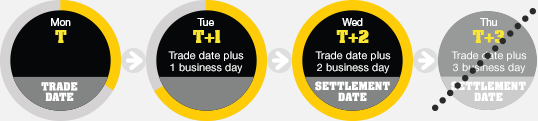



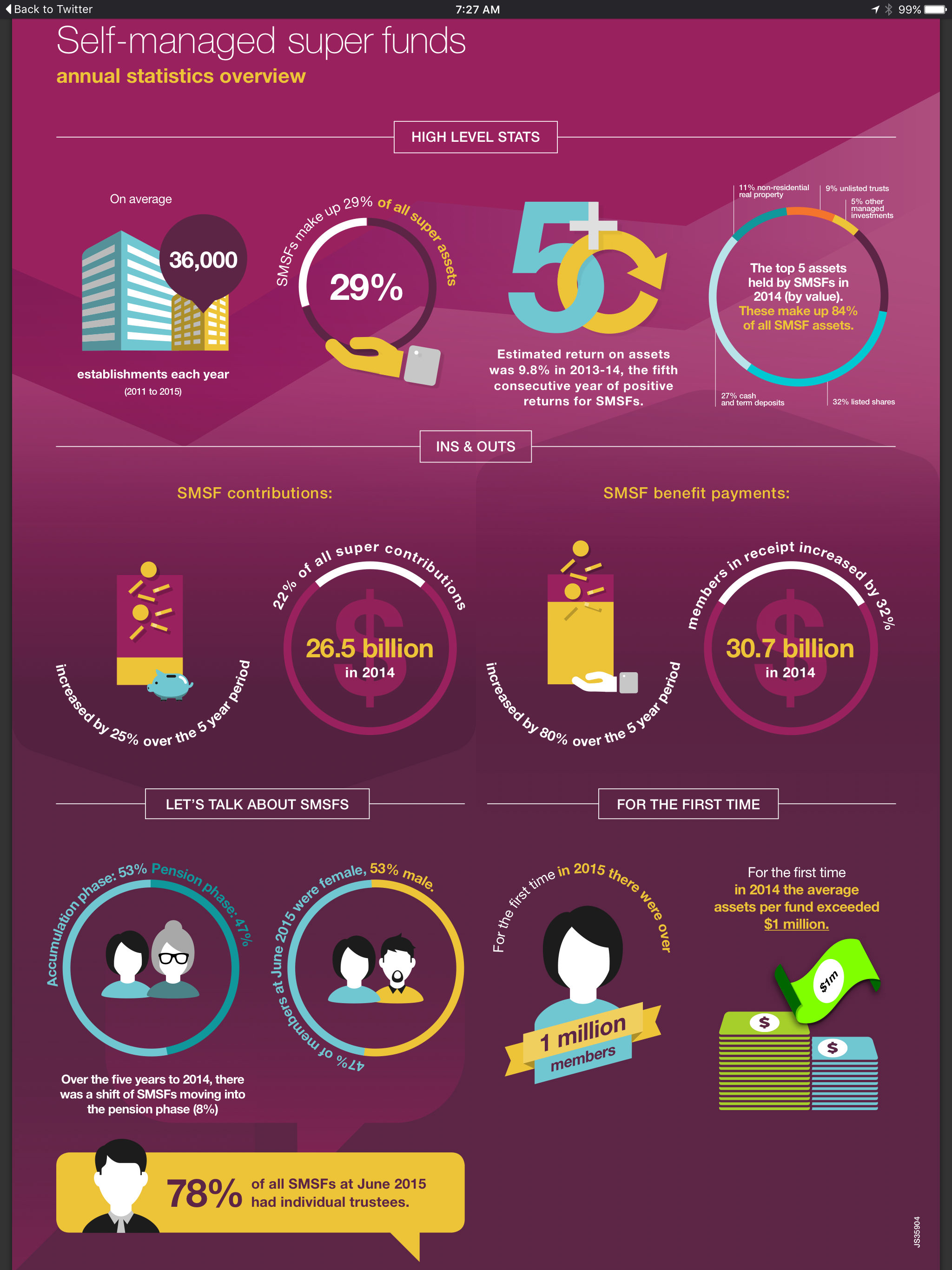





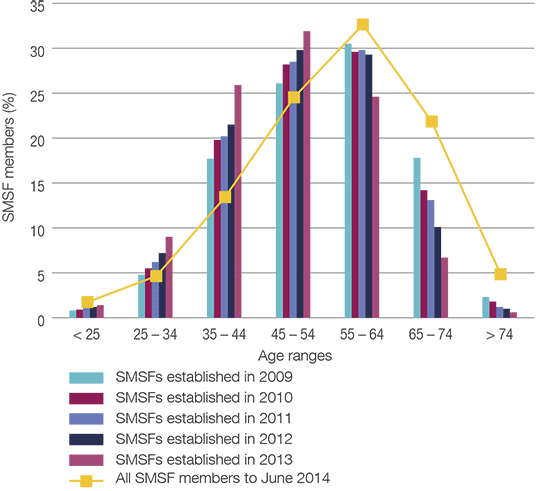







 The SMSF Coach